
When Do Orthotics Help? Signs You Need Support
If your heel hurts on the first few steps out of bed, your knees ache after a long shift, or one shoe always wears down faster than the other, it is reasonable to ask: when do orthotics help? Orthotics can improve comfort and movement when the way your feet load the ground is contributing to pain higher up the body. They are not a cure-all, and they should not be used to simply push through a serious injury. The right pair should be part of a clear plan that addresses your symptoms, activity demands, footwear, strength, and recovery goals.
What Orthotics Are Designed to Do
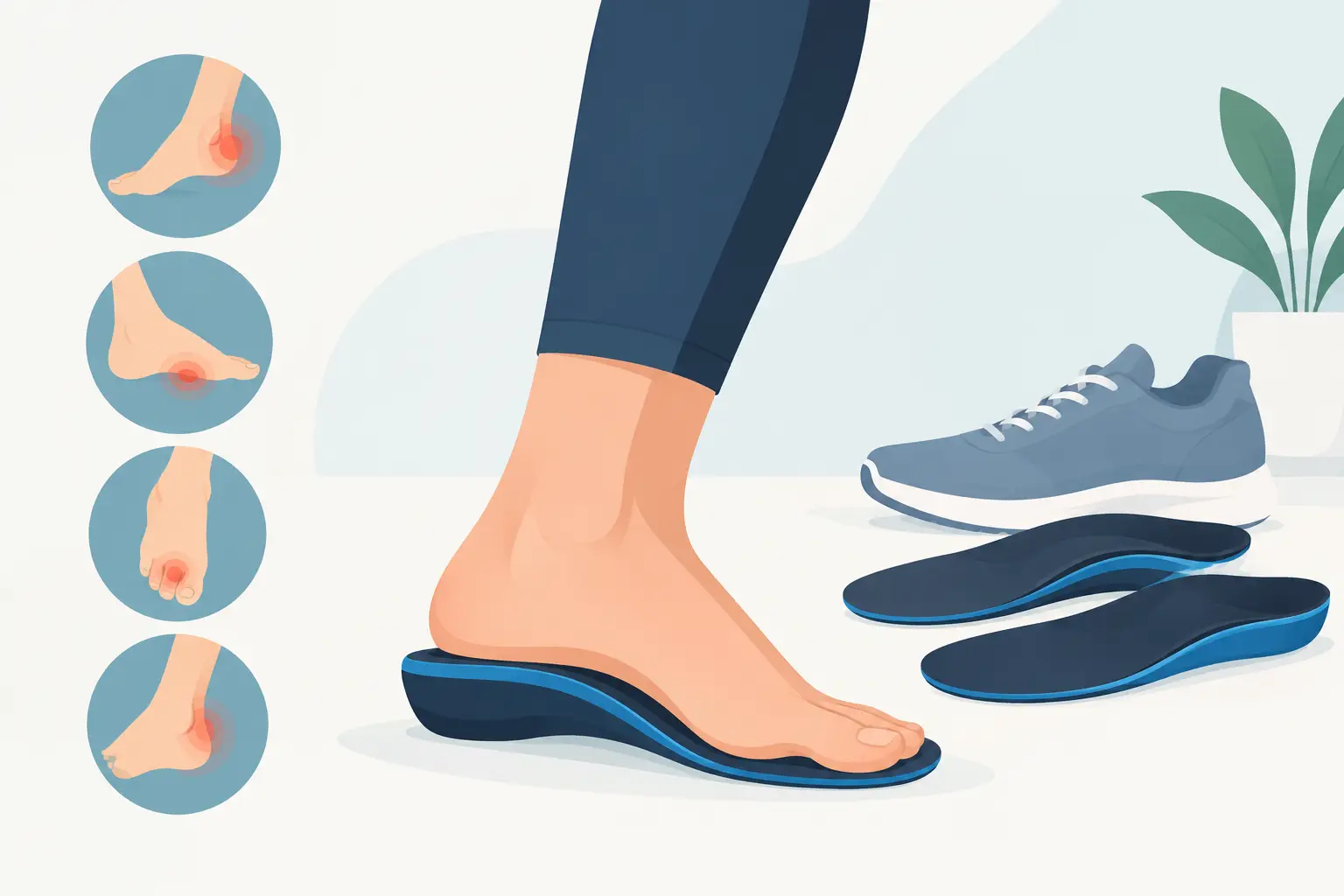
Orthotics are inserts worn inside shoes to support, cushion, or guide the foot. Some are soft and mainly improve comfort. Others are firmer and are designed to influence how the foot and ankle move while you stand, walk, run, or work.
A custom orthotic is made from an assessment of your feet, gait, footwear, and symptoms. It can be shaped and selected for your specific needs rather than bought off the shelf in a standard size. That matters when there is a meaningful difference between your two feet, a recurring injury, a structural issue, or a job or sport that places consistent stress on the same area.
The goal is not to make your feet rigid. A well-prescribed orthotic aims to improve how force is distributed through the foot and lower limb, so irritated tissues have a better chance to settle and you can move with less strain.
When Do Orthotics Help Most?
Orthotics are often helpful when foot mechanics are one contributing factor to pain. For example, feet that roll inward significantly, remain very rigid, or lose support under load can alter how pressure travels through the ankle, knee, hip, and lower back. Not everyone with flat feet or high arches needs orthotics. The key question is whether that foot shape or movement pattern is linked to symptoms or reduced function.
They may be recommended for persistent plantar heel pain, including pain associated with plantar fasciitis. They can reduce strain through the plantar fascia and provide heel cushioning, especially when paired with calf mobility work, gradual activity changes, and supportive shoes.
People with pain under the ball of the foot, recurrent calluses, bunion irritation, or discomfort from standing for long periods may also benefit. In these cases, an orthotic can redistribute pressure away from sensitive areas. This can be particularly useful for retail workers, healthcare workers, tradespeople, and others who spend much of the day on their feet.
Orthotics can also play a role in managing Achilles tendon pain, shin pain, certain running injuries, knee discomfort, and hip or low back symptoms. They are usually one piece of the solution, not the entire solution. If weak hip muscles, poor running progression, limited ankle mobility, or an old injury is driving the problem, those factors still need attention.
For people with diabetes, inflammatory arthritis, nerve-related foot changes, or circulation concerns, properly fitted footwear and pressure relief can be especially important. These situations deserve a more careful clinical assessment rather than a trial-and-error purchase.
Signs an Assessment May Be Worthwhile
A short period of foot fatigue after a new hike or long day is common. Ongoing or recurring symptoms are different. Consider an orthotic assessment if pain returns when you resume normal activity, if you are changing how you walk to avoid discomfort, or if your current shoes no longer feel supportive.
Other useful clues include uneven shoe wear, frequent ankle rolling, pain that starts in the feet and travels up the leg, or a noticeable difference between the right and left side. Parents may also seek advice when a child has frequent lower-limb pain, repeated tripping, or avoids running and sports because of discomfort. Children’s feet develop over time, so treatment should be based on symptoms and function, not foot appearance alone.
An assessment is also sensible after an injury. Following an ankle sprain, fracture, tendon injury, or surgery, the way you load the foot can change. An orthotic may help during recovery, but the design and timing should fit your rehabilitation stage.
Custom Orthotics Versus Store-Bought Inserts
Over-the-counter inserts can be a good starting point for mild, short-term discomfort. They are more affordable, easy to try, and may provide useful cushioning for a recreational walker or someone breaking in a new work shoe. A prefabricated insert with arch support can also be appropriate when symptoms are straightforward and your feet respond well to it.
Custom orthotics tend to make more sense when symptoms are persistent, you have a complex foot shape or injury history, or previous inserts have not helped. They are also useful when an insert needs to fit specific footwear, such as safety boots, dress shoes, skates, or running shoes.
The trade-off is cost and adjustment time. Custom devices are not automatically better simply because they are custom. They need to be prescribed for a clear reason, fit the shoe properly, and be reviewed if they create new pressure or discomfort. A gradual break-in period is often recommended, particularly with firmer devices.
Orthotics Work Better With the Right Footwear
Even a well-made orthotic cannot do its job in a shoe that is too narrow, worn out, unstable, or too shallow to hold it. Bring your most-used footwear to an assessment whenever possible. The best option for a person who walks the dog around Rocky Ridge may look different from the best option for a Calgary nurse working long hospital shifts or a runner training for a race.
In general, shoes should have enough depth for the insert, a secure heel counter, and a stable base. The toe box should allow your toes to spread without rubbing. If you need orthotics for more than one type of shoe, you may need different designs or a practical plan for moving them between pairs.
Why an Assessment Matters
Pain location does not always identify the true source of the problem. Heel pain can be related to the plantar fascia, but it can also be influenced by calf tightness, nerve irritation, a stress injury, or changes in training volume. Knee pain may be affected by foot mechanics, yet the main driver could be hip strength, a meniscus issue, or poor load tolerance.
A proper assessment looks beyond the arch. A clinician may examine your walking pattern, balance, joint mobility, muscle strength, footwear, work demands, and sport routine. This helps determine whether orthotics are likely to offer meaningful benefit and what else should be included in your treatment plan.
At Royal Oak Physio, Chiro, and Massage Clinic, orthotic recommendations can be coordinated with physiotherapy and other hands-on care when needed. That approach keeps the focus on measurable improvement: less pain during daily activities, better tolerance for work or exercise, and confidence returning to the movements that matter to you.
Do Not Use Orthotics to Ignore Warning Signs
Seek prompt medical assessment for sudden severe foot pain, inability to bear weight, major swelling, deformity after an injury, redness with fever, a wound that is slow to heal, or numbness that is worsening. These symptoms may need medical investigation before an orthotic is considered.
It is also worth checking in if pain has not improved after several weeks of sensible self-care, or if it repeatedly returns as soon as you increase activity. Continuing to run, work, or walk through escalating pain can turn a manageable problem into a longer recovery.
Getting the Most From Orthotics
Give your body time to adapt. Start with shorter periods of wear unless your practitioner advises otherwise, then build up as comfort allows. Keep up with any prescribed mobility, strengthening, or balance exercises. If the orthotic causes rubbing, new pain, or numbness, do not assume you have to tolerate it. A fit adjustment may be needed.
Orthotics can make a real difference when they solve a specific movement or loading problem. The most useful next step is a focused assessment that connects your symptoms with a practical plan, so you can spend less time managing pain and more time moving comfortably through your day.