
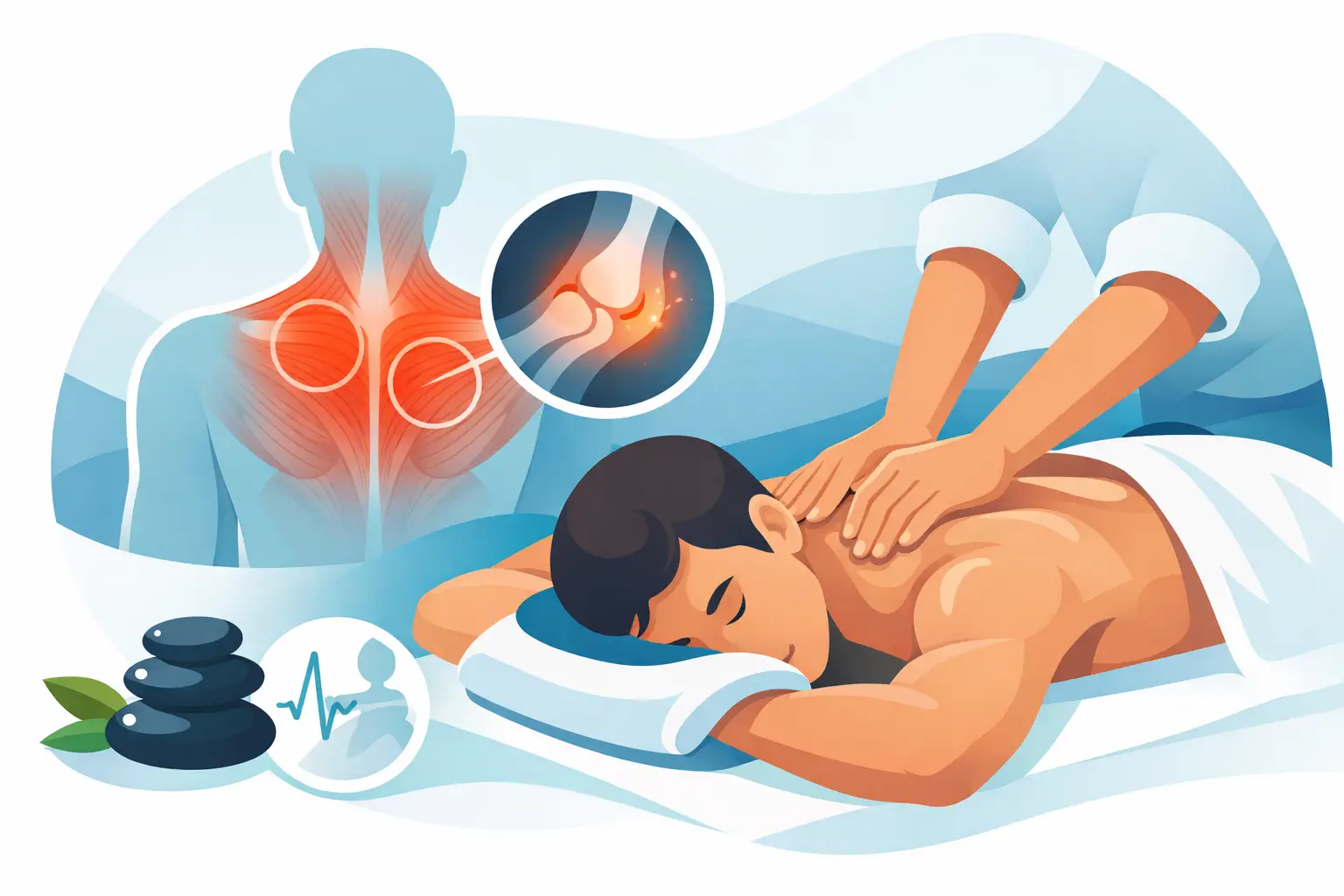
Deep Tissue Massage Benefits Explained
That knot between your shoulder blades that keeps coming back after long desk days is not always a sign that you need more pressure. But in the right case, deep tissue massage benefits can be significant – especially when muscle tension, restricted movement, and ongoing pain are tied to deeper layers of soft tissue.
Deep tissue massage is often misunderstood as simply a harder massage. In practice, it is more precise than that. A registered massage therapist uses slower, targeted techniques to work through layers of muscle and connective tissue that may be contributing to pain, stiffness, and reduced function. The goal is not to make a session intense for the sake of intensity. The goal is to help you move better, hurt less, and recover more effectively.
For many adults in Calgary, that matters in very practical ways. It can mean turning your head more comfortably while driving, getting through a workday without constant low back tightness, or returning to training after an overuse injury without feeling like your body is fighting you.
What deep tissue massage benefits actually look like
The most useful way to think about this treatment is in terms of outcomes, not hype. Deep tissue massage may help reduce persistent muscle tension, improve mobility in restricted areas, and calm pain patterns that have built up over time. It is commonly used for neck and shoulder tension, low back discomfort, tight hips, postural strain, and recovery from certain physical demands or injuries.
Some patients notice the biggest change in pain levels. Others notice that movement feels easier, their sleep improves, or they are less guarded during daily activity. If your muscles stay switched on all the time, targeted hands-on treatment can sometimes help interrupt that pattern and give the body a chance to reset.
There is also a circulation component. Manual pressure and tissue mobilization can support blood flow to treated areas, which may help with recovery and reduce the heavy, tight feeling that often comes with overworked muscles. That said, results vary. If the main driver of pain is joint irritation, nerve sensitivity, or a condition outside the soft tissues, massage may help but it may not be the whole answer.
When deep tissue massage is most helpful
This approach tends to work best when the issue involves chronic tension, repetitive strain, or movement restriction linked to muscle and fascia. Office workers often benefit when upper traps, chest muscles, and the mid-back become tight from long hours at a screen. Active adults may find it useful for overuse patterns in the calves, quads, glutes, or shoulders. It can also play a role in recovery after certain sports injuries once the acute stage has settled.
For some people, deep tissue massage is helpful because they have compensated for an older injury for months or years. The body is good at finding workarounds, but those workarounds can create a chain reaction. A stiff ankle changes gait. That affects the knee and hip. Then the low back starts carrying more load than it should. Working into deeper restrictions can sometimes reduce that compensation pattern and make exercise or rehab more effective.
It may also be recommended as part of a broader treatment plan after a thorough assessment. In a multidisciplinary clinic setting, massage therapy can complement physiotherapy, chiropractic care, acupuncture, or exercise-based rehab when the goal is to improve tissue mobility and make movement less painful.
Pain relief is real, but pressure is not the whole story
One of the biggest misconceptions around deep tissue massage benefits is that more pressure always means better results. It does not. If a treatment is too aggressive, your body may tense up instead of relaxing, which can limit how effective the session is. Good treatment is responsive. The therapist works at a depth your tissues can tolerate while still targeting the structures that need attention.
This matters even more for patients who are already sensitive, stressed, or dealing with persistent pain. In those cases, a smarter session may combine moderate pressure, focused release, and mobility work instead of trying to force a change. Sometimes the best result comes from accuracy, not intensity.
You may feel some tenderness after treatment, similar to post-workout soreness, especially if tissues have been restricted for a long time. That can be normal. But severe pain, bruising, or feeling worse for days is not the goal and should be discussed with your therapist.
Deep tissue massage benefits for recovery and movement
Pain relief gets attention, but function is where many people notice the most meaningful change. If you can squat more comfortably, reach overhead without pinching, or sit through a meeting without your back locking up, that affects daily life in a bigger way than a temporary feeling of relaxation.
By reducing tissue restriction in key areas, deep tissue massage may help improve range of motion and movement quality. This is especially relevant when tight muscles are limiting what a joint can do. A shoulder may technically be healthy, but if the surrounding tissues are stiff and overactive, using that shoulder can still feel restricted.
For athletes and active individuals, this can support training consistency. It is not a substitute for strength, mobility work, or proper loading, but it can help remove some of the soft-tissue barriers that keep progress stalled. When combined with exercise and a clear rehab plan, massage can make it easier to tolerate movement and build back confidence.
When it is not the right fit
Deep tissue massage is useful, but it is not for everyone at every stage. If you have a fresh injury with significant inflammation, an active flare-up that is highly irritable, certain circulatory conditions, skin infections, or specific medical concerns, another approach may be safer. The same goes for people who simply do not tolerate firm manual therapy well.
There are also times when a gentler massage, focused physiotherapy, or a different treatment altogether makes more sense. If symptoms include numbness, significant weakness, dizziness, or pain that does not behave like a muscle problem, the first step should be proper assessment. Honest care means not forcing one treatment to fit every problem.
That is where coordinated care has real value. A licensed provider can help determine whether massage is likely to move the needle or whether another service should lead the plan.
What to expect after a session
Most patients feel a mix of relief and mild soreness afterward. The treated area may feel looser, warmer, or easier to move. Drinking water, taking a short walk, and avoiding overly intense activity right away can help your body settle after treatment.
The timeline for results depends on what you are dealing with. A straightforward tension pattern from desk work may improve quickly. Chronic pain, longstanding stiffness, or post-injury compensation often takes more than one session, especially if the underlying issue has been building for months.
This is also why treatment plans matter. Massage works best when it is part of a bigger strategy that may include strengthening, posture changes, mobility work, or ergonomic advice. At Royal Oak Physio, Chiro, and Massage Clinic, that kind of practical coordination is often what helps patients get past short-term relief and into real progress.
Deep tissue massage benefits are best measured by your goals
A good session should connect back to something that matters in your life. Maybe that is sleeping without waking from shoulder pain. Maybe it is getting through your workweek with fewer headaches. Maybe it is being able to train, garden, lift your child, or walk the hills in northwest Calgary without the same familiar tightness holding you back.
That is the right standard to use. Not whether a massage felt intense. Not whether you were sore the next day. What matters is whether treatment helped reduce pain, improve movement, and support the things you need or want to do.
If your body feels stiff, overworked, or stuck in the same pain cycle, deep tissue massage may be a very good fit – but the best results usually come when the treatment matches the cause. Start there, and the benefits tend to be much more than temporary relief.