
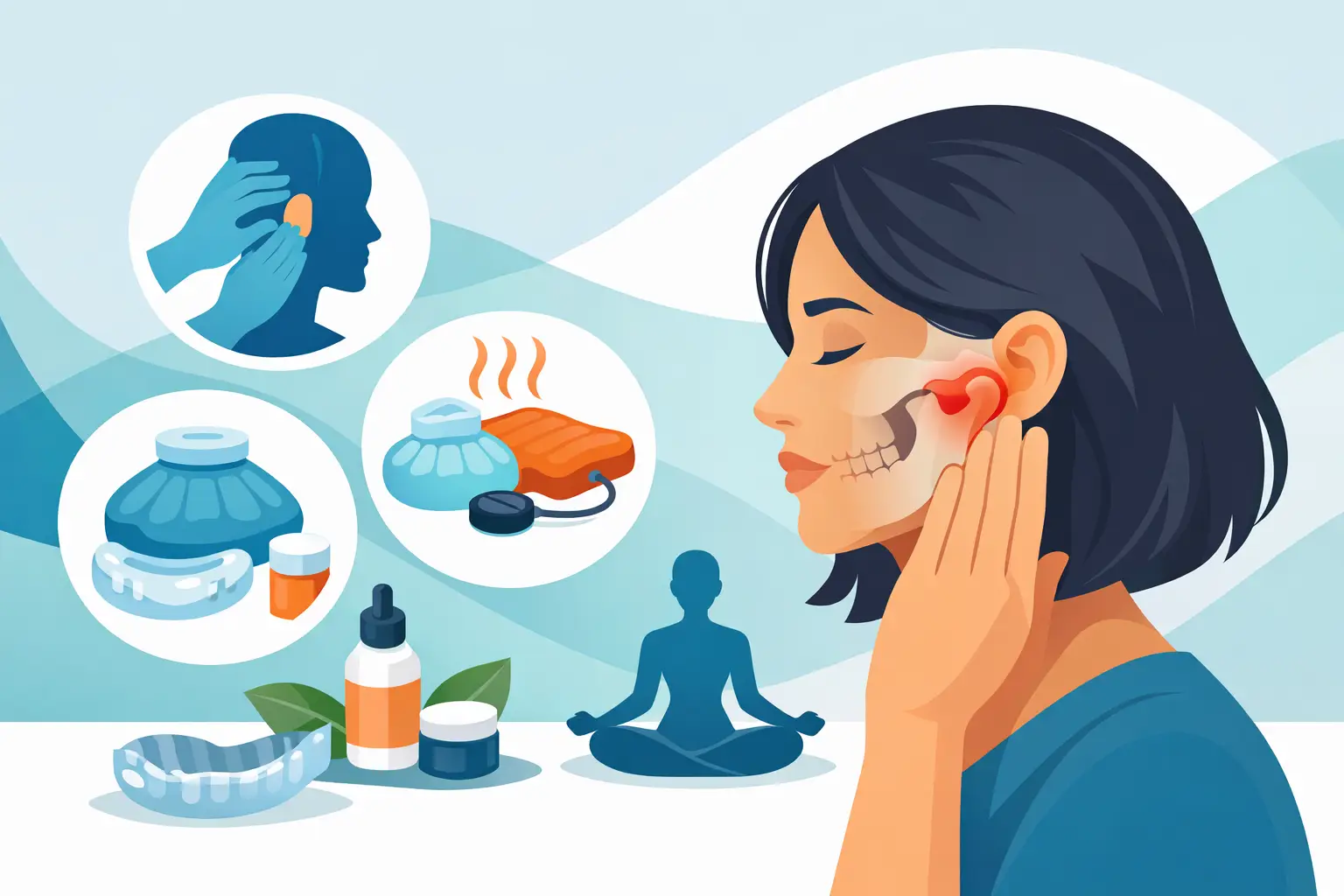
Best Treatments for TMJ Pain and Lasting Relief
Jaw pain can make ordinary moments surprisingly difficult. Chewing a sandwich, speaking through a work meeting, yawning, or waking with a tight face can all become reminders that something is not moving well. The best treatments for TMJ pain do more than temporarily calm a sore jaw. They identify why the joint and surrounding muscles are overloaded, then build a plan to restore comfortable movement.
TMJ pain is often used to describe discomfort involving the temporomandibular joint, the hinge connecting your lower jaw to your skull. The joint works closely with the jaw muscles, neck, upper back, posture, teeth, and nervous system. That is why a treatment plan focused only on the painful spot may bring short-term relief without addressing what keeps the problem returning.
Why TMJ Pain Does Not Have One Simple Fix
TMJ symptoms vary from person to person. Some people notice clicking or popping with no pain. Others have aching around the ear, headaches, facial tension, jaw locking, difficulty opening the mouth fully, or pain that spreads into the neck and shoulders. Teeth grinding, clenching, prolonged computer work, stress, arthritis, dental changes, a previous jaw injury, and poor sleep can all contribute.
A clicking jaw does not automatically mean the joint is damaged or needs aggressive treatment. Similarly, tight jaw muscles are not always caused by stress alone. A proper assessment looks at your jaw movement, bite-related habits, muscle tenderness, neck mobility, posture, daily demands, and the pattern of your symptoms. The goal is to understand the driver of the pain, not simply label it TMJ.
Best Treatments for TMJ Pain Start With Assessment
The most effective approach is usually conservative, personalized, and progressive. Many people improve without surgery or invasive procedures when they receive the right combination of hands-on care, exercise, and practical habit changes.
Physiotherapy for jaw, neck, and posture
Physiotherapy can help when jaw pain is connected to restricted movement, muscle guarding, neck stiffness, headaches, or repetitive strain. A physiotherapist may assess how far your jaw opens, whether it shifts to one side, how the surrounding muscles respond, and whether your neck or upper back is adding strain.
Treatment may include gentle manual therapy for the jaw, face, neck, and upper back, along with targeted exercises to improve jaw control. This is not about forcing the jaw open. It is about gradually improving movement while reducing protective tension. For someone who clenches during desk work, improving workstation habits and neck positioning may be just as useful as treating the jaw itself.
Massage therapy for muscle tension
Massage therapy can be helpful when the muscles of the jaw, temples, face, neck, and shoulders feel constantly tight or tender. Many people with TMJ pain are surprised by how much tension they carry through the upper trapezius, neck, and scalp muscles.
Massage is most useful as part of a broader plan. It can reduce muscle sensitivity and help you move more comfortably, but it will not prevent recurring symptoms if daytime clenching, poor sleep, or a restricted neck remains unaddressed. Your therapist can also help you recognize the difference between a relaxed resting jaw and a clenched one. At rest, your teeth should generally not be touching.
Chiropractic care when spinal mechanics are contributing
Jaw pain and neck pain commonly overlap. If neck joints, upper back stiffness, or posture are affecting how you hold your head and jaw, chiropractic care may be an appropriate part of treatment. A chiropractor can assess spinal mobility and muscle tension, then use hands-on techniques and movement advice to support better mechanics.
This option is not a replacement for a dental assessment when bite issues or tooth damage are present. It can, however, be valuable for people whose symptoms worsen after long drives, computer work, lifting, or sustained head-forward posture.
Acupuncture for persistent pain and muscle guarding
Acupuncture may help reduce pain sensitivity and persistent muscle tightness for some people with TMJ-related symptoms. It is often considered when the jaw and neck remain guarded despite exercise and manual therapy, or when tension headaches occur alongside jaw pain.
Response varies. Some patients notice a meaningful reduction in pain after a few sessions, while others benefit more from exercise-based care and habit changes. Your practitioner should discuss what is realistic for your situation and reassess progress rather than continuing a treatment that is not helping.
A dentist-made night guard when grinding is a factor
If you wake with a sore jaw, worn teeth, or frequent morning headaches, nighttime grinding may be contributing. A dentist can assess your teeth and bite and determine whether a custom night guard is appropriate. A properly fitted appliance can protect teeth and reduce the effects of grinding for many patients.
Over-the-counter guards may be tempting, but they are not right for everyone. In some cases, a poorly fitting guard can feel uncomfortable or alter how the teeth meet. A night guard also does not replace rehabilitation if jaw and neck muscles are already painful or movement is restricted.
Medication and medical care when needed
Your family physician, dentist, or another qualified medical provider may recommend medication for short-term pain management, inflammation, or severe muscle spasm. Medication can make it easier to sleep, eat, and participate in active treatment during a flare-up. It is usually one piece of care, not the whole solution.
Injections, imaging, or specialist referral may be considered for persistent or complex cases, especially if there is significant joint degeneration, repeated locking, trauma, or symptoms that do not respond to conservative treatment. Surgery is rarely the first step for TMJ pain.
What You Can Do Between Appointments
Small daily changes can lower jaw irritation while you recover. During a painful flare-up, choose softer foods for a short period and avoid chewing gum, biting hard foods, or opening wide for oversized bites. Support your jaw when yawning if that movement is painful.
Try a simple jaw resting position: place the tip of your tongue gently behind your upper front teeth, allow your lips to close softly, and keep your teeth apart. Check this position during emails, driving, exercise, and stressful conversations. Many people clench without realizing it until they practise noticing the habit.
Heat can be soothing for tight muscles, while a cold pack may feel better after an acute aggravation. Use either for short periods with a cloth barrier and pay attention to how your body responds. Gentle breathing, regular movement breaks, and consistent sleep routines can also reduce the background tension that feeds jaw symptoms.
Avoid aggressive self-massage, forceful stretching, or repeatedly trying to make a click disappear. Painful popping does not always improve with more pressure. If an exercise creates sharp pain, locking, or worsening symptoms that last into the next day, it needs to be adjusted.
When TMJ Pain Needs Prompt Assessment
Book an assessment if your jaw pain lasts more than a few weeks, interferes with eating or sleep, or keeps returning. Earlier care can prevent a short-term irritation from becoming a pattern of guarding, limited movement, and recurring headaches.
Seek urgent medical or dental attention for facial swelling, fever, infection concerns, sudden inability to open or close the jaw, severe pain after trauma, numbness, unexplained weight loss, or a major change in your bite. Not every pain near the jaw is TMJ-related, and a careful assessment helps rule out dental, ear, sinus, or other medical causes.
At Royal Oak Physio, Chiro, and Massage Clinic, TMJ treatment can be coordinated with physiotherapy, chiropractic care, massage therapy, or acupuncture based on your needs. The right plan should fit your symptoms, your schedule, and the activities you want to return to – whether that is eating comfortably, sleeping through the night, working without headaches, or getting back to sport.
You do not need to wait until your jaw locks or your headaches become routine. A focused assessment can give you clear next steps and a practical path toward moving better and hurting less.