
A Car Accident Injury Recovery Example That Feels Real
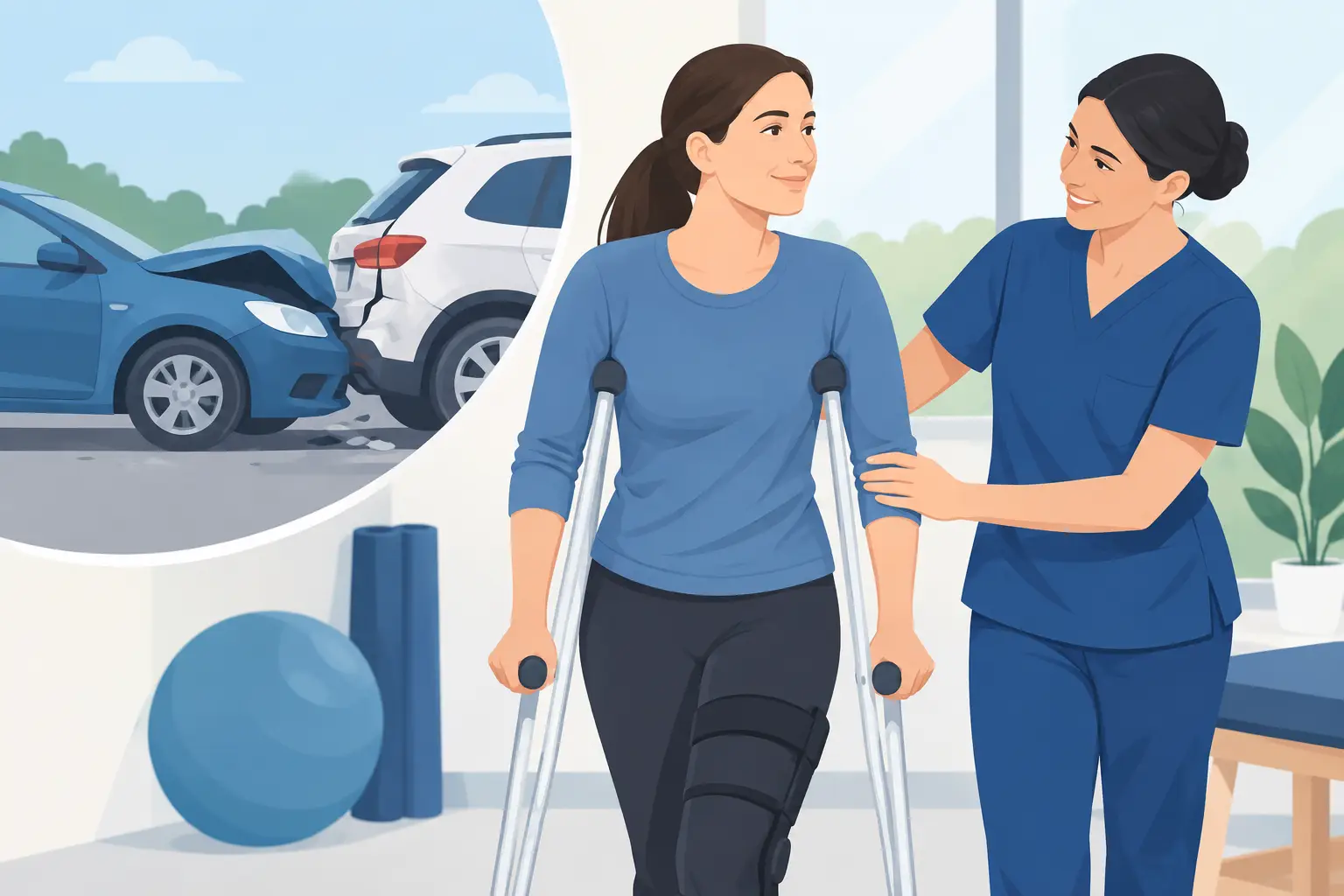
A low-speed collision can still change the way you move through a normal day. Turning your head to check traffic, sitting through a work meeting, lifting groceries, or sleeping comfortably may suddenly hurt. This car accident injury recovery example shows what a practical, personalized rehabilitation plan can look like when neck pain, back pain, headaches, and stiffness do not settle as quickly as expected.
The details will vary from person to person. Recovery depends on the force and direction of the collision, your health before the accident, the nature of your work, stress, sleep, and how your symptoms respond to treatment. Still, many people benefit from a clear plan that starts with assessment and builds toward real-life goals.
The starting point: symptoms after the collision
Consider a 42-year-old Calgary office worker who was rear-ended at a stoplight. They felt shaken but did not need emergency care. The next morning, neck stiffness and upper-back pain appeared. Within several days, headaches, poor sleep, and discomfort when looking over the shoulder made driving difficult. Long periods at the computer also increased symptoms.
This pattern is common with whiplash-associated injuries, but a proper assessment matters. Neck pain can occur alongside shoulder strain, low-back pain, jaw tension, dizziness, concussion symptoms, or a flare-up of a previous injury. The goal is not simply to label the pain. It is to understand how it affects movement, work, home responsibilities, and confidence.
At the first physiotherapy assessment, a licensed therapist may review the collision, current symptoms, medical history, sleep, work demands, and activity level. They will assess posture, neck and shoulder range of motion, strength, balance where appropriate, and movements that reproduce symptoms. If headaches, dizziness, visual sensitivity, or concentration changes are present, concussion and vestibular screening may also be appropriate.
Red flags require medical attention rather than routine rehabilitation. Severe or worsening headache, confusion, fainting, new weakness, numbness that is progressing, significant chest pain, or changes in bowel or bladder function should be assessed urgently.
A car accident injury recovery example by phase
Weeks 1-2: settle symptoms and restore safe movement
In the early stage, this patient may have pain when turning their head, muscle guarding through the upper back, and headaches after screen time. The therapist’s first job is to reduce aggravation without encouraging complete rest. Staying still for too long can increase stiffness, sensitivity, and fear of movement.
Treatment may include gentle hands-on therapy, guided neck and shoulder mobility work, education on positions that reduce strain, and a simple home routine. Massage therapy can help address protective muscle tension and improve comfort for some patients. Chiropractic care may also be considered when it fits the assessment and the patient’s preferences. The best approach is coordinated, not automatic. A treatment that helps one person may not suit another person at the same stage.
The home program should be manageable. In this example, it may include short walks, easy neck rotations within a tolerable range, shoulder-blade exercises, and regular breaks from the desk. The goal is not to push through sharp pain. It is to rebuild comfortable motion in small, repeatable doses.
The patient may also make temporary adjustments at work, such as using a headset, raising the monitor, taking brief movement breaks, and avoiding long stretches of driving when possible. These are not signs of weakness. They are ways to keep daily life moving while the body recovers.
Weeks 3-6: build capacity for work and driving
By the third week, headaches may be less frequent, but the patient still notices stiffness after a full day at the computer and pain during longer drives. This is often the point when recovery needs to shift from symptom relief toward strength, endurance, and confidence.
Physiotherapy can progress to exercises for the deep neck muscles, upper-back strength, shoulder control, and trunk stability. These areas work together during sitting, lifting, driving, and carrying. If low-back discomfort developed after the collision, the plan may include hip mobility, core control, and gradual lifting practice.
A therapist may use functional goals to guide progression. Instead of aiming vaguely to feel better, the patient might work toward driving 30 minutes without a symptom flare, completing a full workday with manageable discomfort, sleeping through the night more consistently, or carrying a laundry basket without guarding.
Treatment frequency depends on the injury and response. Some people need more regular visits early on, then fewer appointments as they become confident with their home program. Others benefit from care spread over a longer period because their job is physical, symptoms are more complex, or there are concussion-related concerns. More treatment is not always better. The right amount is the amount that supports measurable progress and gives the patient useful tools between visits.
Weeks 7-12: return to the activities that matter
At this stage, our example patient has returned to regular work but still avoids the gym and feels tense in heavy traffic. Their neck range has improved, headaches are occasional rather than daily, and they can manage a 45-minute drive. The focus now becomes full function, not just getting through the day.
Exercise may become more specific to the person’s life. For a parent, that could mean safely lifting a child and loading a stroller. For someone with a physical job, it could mean repeated lifting, carrying, pushing, and pulling. For an active person, it may mean a graded return to running, strength training, cycling, or recreational sport.
This phase can also reveal problems that were masked by early pain. Jaw clenching, poor sleep, persistent dizziness, or hip and shoulder compensation can keep recovery from feeling complete. A multidisciplinary clinic can coordinate services such as physiotherapy, massage therapy, acupuncture, vestibular rehabilitation, concussion therapy, or TMJ treatment when the assessment supports it. Care should stay focused on the problem in front of the patient, not become a collection of unnecessary appointments.
What can slow down recovery?
A delayed recovery does not mean a person is doing something wrong. Pain after a collision is influenced by more than tissue injury. Poor sleep, anxiety about driving, work pressure, reduced activity, previous pain, and ongoing stress can all affect symptoms and tolerance for movement.
The most common setbacks happen when people swing between two extremes. Some avoid movement because they are afraid of making the injury worse. Others feel better for a day, overdo a workout or house project, and then experience a flare-up. A gradual plan gives the body time to adapt while still moving forward.
Communication also matters. Tell your therapist if headaches increase, a home exercise consistently aggravates symptoms, work duties change, or a treatment does not feel helpful. A good plan is adjusted based on your response, not followed rigidly because it looked right on day one.
How progress is measured beyond pain scores
Pain levels are useful, but they are only part of the picture. In this example, progress includes sleeping with fewer interruptions, checking blind spots more easily, concentrating at work for longer, returning to walks, and feeling less fearful behind the wheel.
A therapist may reassess range of motion, strength, balance, endurance, and functional tasks at regular intervals. These check-ins help confirm that treatment is working and show where the next step should be. They also create a clearer record for patients managing motor vehicle accident insurance claims and return-to-work requirements.
Recovery is rarely a perfectly straight line. A busy week, poor sleep, or a longer drive can cause a temporary increase in pain. What matters is the overall trend: symptoms become less intense or less frequent, movement improves, and daily activities take less effort.
When to seek help after a motor vehicle accident
It is reasonable to seek an assessment when pain, stiffness, headaches, dizziness, or reduced function are affecting your day, even if the collision seemed minor. Early guidance can help you understand what movements are safe, what to monitor, and how to avoid the stop-start cycle that often prolongs recovery.
At Royal Oak Physio, Chiro, and Massage Clinic, treatment plans are built around your symptoms and goals, with licensed practitioners working across disciplines when that will help. Whether you are trying to return to work, drive comfortably, sleep better, or get back to exercise, recovery should be practical and personal.
The next helpful step is simple: get assessed, share what your normal life requires, and begin with a plan you can realistically follow. Small gains in movement and confidence often add up to the return you are looking for.
Pingback: Is Acupuncture Painful? What It Really Feels Like - Royal Oak Physio, Chiro and Massage Clinic