
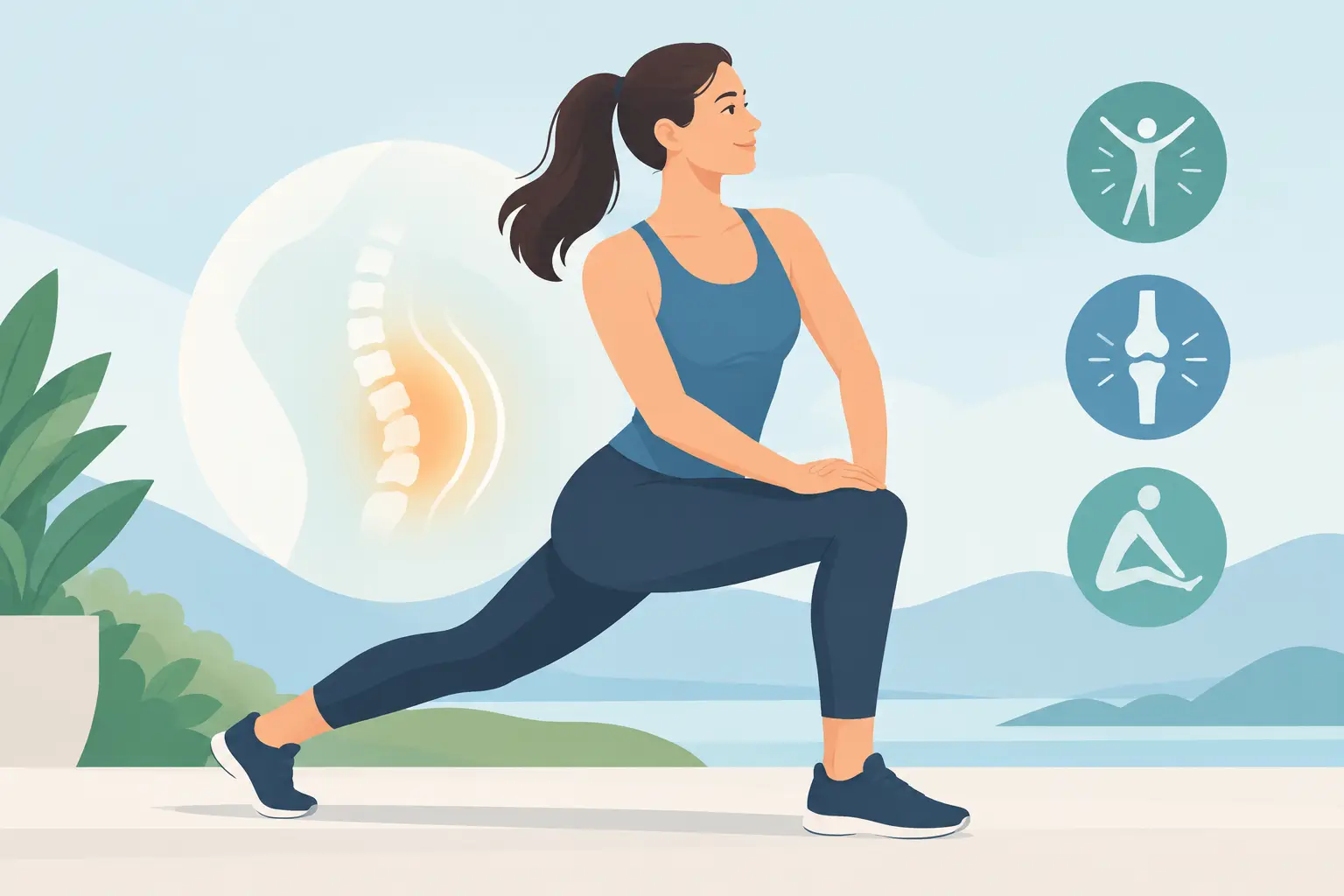
Pain Management That Helps You Move Better
A sore back after a long workday, a knee that protests on the stairs, or headaches that began after a collision can make ordinary routines feel far more complicated. Effective pain management is not simply about making pain disappear for a few hours. It is about understanding what is driving the problem, reducing irritation, and helping you move with greater confidence again.
Pain can be frustrating because it rarely follows a simple script. Two people may have the same scan result or injury diagnosis yet experience very different symptoms, limitations, and recovery timelines. The right plan should reflect your body, your goals, your work, and the activities you want to return to.
Pain Management Starts With the Right Assessment
Pain is information, but it is not always a precise measure of tissue damage. A recent ankle sprain may hurt because the joint is swollen and irritated. Ongoing neck pain may be influenced by muscle tension, reduced movement, workstation demands, poor sleep, stress, an old injury, or a combination of factors.
That is why a thorough assessment matters. A licensed practitioner will ask when symptoms began, what makes them better or worse, how pain affects your daily activities, and whether there are signs that need medical attention. They will also assess movement, strength, joint mobility, posture, balance, and function where relevant.
For someone with low back pain, the goal may be to sit comfortably through a shift, pick up a child, or return to the gym. For an older adult with hip pain, it may be walking safely around the community. These practical goals give treatment a clear direction. They also create useful measures of progress that go beyond a number on a pain scale.
A Pain Management Plan Should Build Function
Short-term relief matters. If pain is keeping you awake, limiting your work, or stopping you from moving, lowering symptoms can make recovery more possible. But relief alone is not the whole plan. Lasting improvement usually requires rebuilding the capacity to tolerate movement and daily demands.
A personalized plan may include hands-on treatment, guided exercise, education, activity modification, and strategies for managing flare-ups. The mix depends on the condition and the person. A massage therapy session may help settle muscle guarding and improve comfort, while physiotherapy can focus on restoring strength, mobility, and confidence with specific movements. Chiropractic care may be appropriate for certain joint and spinal concerns, particularly when paired with active rehabilitation.
Acupuncture can also be considered as part of a broader plan for some people dealing with persistent muscular pain or tension. For conditions such as plantar fasciitis or certain tendon problems, shockwave therapy may be recommended following assessment. No single treatment is right for every problem, and a good clinician will explain why a specific approach is being suggested.
Reduce Irritation Without Avoiding Life
When something hurts, it is natural to stop using it. Complete rest can be useful briefly after an acute injury, but extended avoidance may lead to stiffness, weakness, and more worry about movement. The better approach is often to find a tolerable starting point.
That could mean shorter walks instead of no walks, lighter lifting before returning to heavier loads, or changing your desk setup and taking movement breaks rather than trying to sit perfectly all day. The aim is not to push through sharp or escalating pain. It is to gradually reintroduce the movements that matter to you at a level your body can manage.
Flare-ups can still happen during recovery. They do not automatically mean you have caused new damage or failed your treatment plan. Often, a flare-up is a sign that activity increased too quickly, sleep has been poor, stress is high, or the body needs a temporary adjustment. Knowing how to respond calmly – with modified activity, gentle movement, and advice from your provider – can prevent a difficult day from becoming weeks of avoidance.
Strength and Mobility Work Together
Mobility exercises can help when joints or muscles feel restricted, but flexibility alone does not prepare the body for work, sport, or daily life. Strength gives you options: the ability to carry groceries, climb stairs, get up from the floor, or return to a favourite activity with less strain.
Exercise does not have to mean an intense gym program. It may begin with simple, specific movements matched to your current ability. A person recovering from a shoulder injury might start with controlled range-of-motion work and light resistance. Someone with knee pain may begin with exercises that improve hip and thigh strength while gradually increasing walking or stair tolerance.
Consistency is more valuable than doing too much in one session. Your program should be realistic enough to fit into your actual week. If you are a busy parent, a shift worker, or managing several health concerns, the best plan is one you can repeat.
Coordinated Care Can Make Treatment More Practical
Some pain concerns respond well to one primary treatment approach. Others benefit from coordinated care across disciplines. This is especially true when pain has persisted for months, follows a motor vehicle collision or workplace injury, or affects several areas of the body.
For example, a patient with post-collision neck pain and headaches may need physiotherapy to restore movement and tolerance for activity, massage therapy to address muscle tension, and concussion or vestibular rehabilitation if dizziness and balance problems are also present. Someone with pelvic pain or symptoms related to pregnancy and postpartum recovery may benefit from pelvic floor physiotherapy alongside other rehabilitation support.
Coordinated care does not mean booking every service available. It means choosing the right care at the right time, with practitioners working from a shared understanding of your goals. At Royal Oak Physio, Chiro, and Massage Clinic, patients can access multiple licensed treatment options under one roof, making it easier to build a plan without sending them from one disconnected provider to another.
What to Expect From Your First Visits
A useful first appointment should leave you with more than a treatment table experience. You should understand what the clinician believes is contributing to your symptoms, what the first steps are, and what progress may reasonably look like.
Recovery is rarely perfectly linear. Some conditions improve within a few visits, while chronic pain, complex injuries, and post-surgical rehabilitation may take longer. Your practitioner should be honest about that timeline and adjust the plan based on your response. If something is not helping, the plan should change rather than continuing the same approach without a clear reason.
Your role is important too. Share changes in symptoms, ask questions about exercises or activity levels, and be clear about the movements you need to get back to. Pain management works best as a partnership, not a passive process.
When Pain Needs Medical Attention
Most muscle and joint pain can be assessed in a rehabilitation setting, but some symptoms require urgent medical evaluation. Seek immediate care for severe chest pain, sudden weakness or numbness on one side of the body, difficulty speaking, loss of bladder or bowel control, significant unexplained weight loss, fever with severe pain, or pain following a serious fall or accident.
New or worsening neurological symptoms, severe unrelenting headaches, and symptoms that do not fit a typical musculoskeletal pattern should also be discussed promptly with a physician. A responsible pain management plan includes recognizing when rehabilitation is appropriate and when further medical investigation is needed.
Pain may have changed how you work, sleep, exercise, and show up for the people around you. You do not need to wait until it becomes unbearable to get support. A clear assessment and a practical plan can help you take the next manageable step toward moving better and hurting less.