
Acupuncture Treatment for Pain and Recovery
A sore shoulder that keeps you awake, low back pain that makes work harder, or a sports injury that will not settle can change far more than your exercise routine. When pain starts limiting how you move, sleep, work, or care for your family, acupuncture treatment may be one practical part of a broader recovery plan.
At Royal Oak Physio, Chiro, and Massage Clinic, acupuncture is used with a clear purpose: helping reduce pain, improve movement, and support your progress toward the activities that matter to you. It is not a one-size-fits-all solution, and it is not meant to replace a thorough assessment. The best plan starts by understanding what is driving your symptoms and what a meaningful recovery looks like in your daily life.
What is acupuncture treatment?
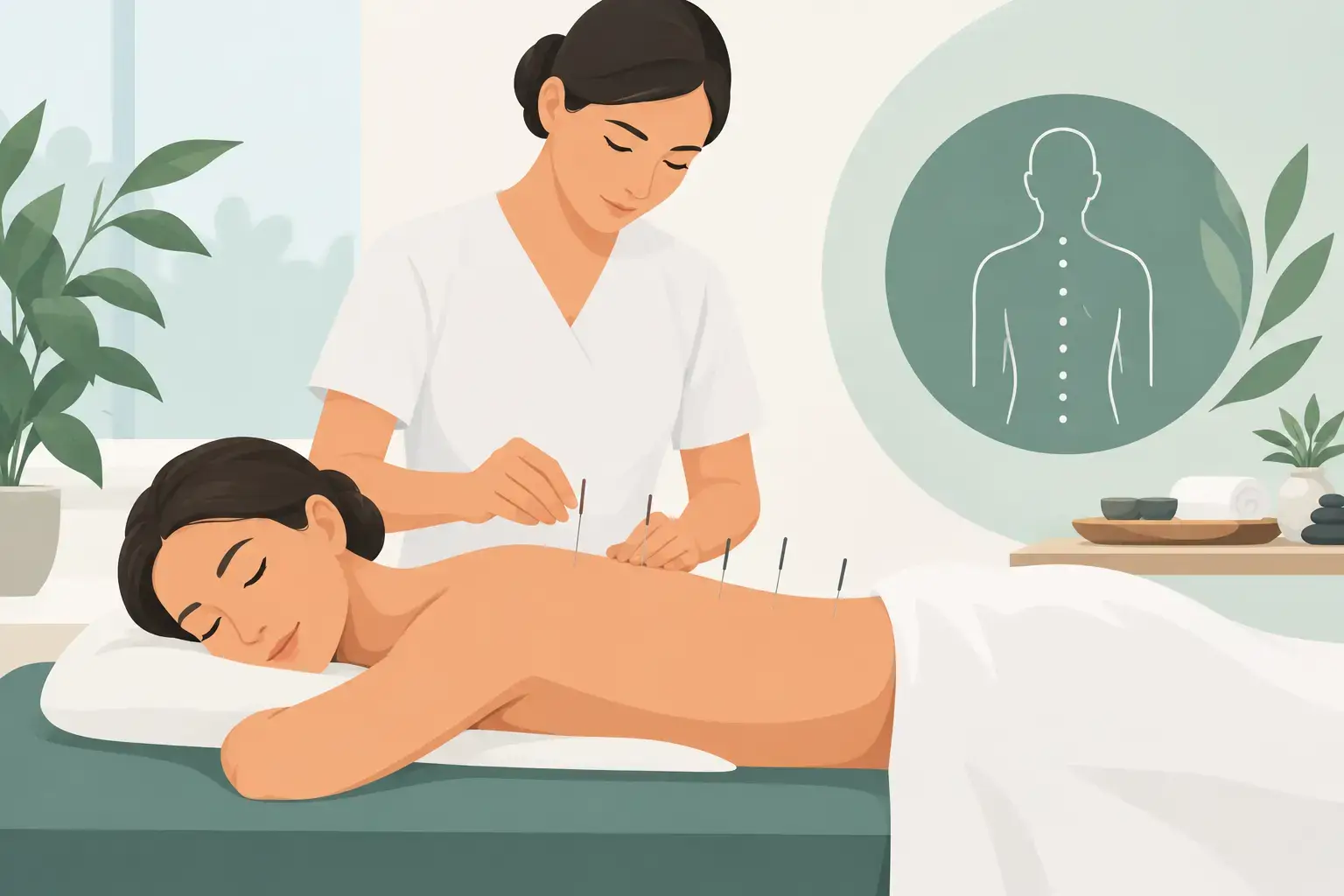
Acupuncture is a treatment that involves placing very fine, sterile needles at specific points on the body. In a rehabilitation setting, licensed practitioners may use it to help manage pain, reduce muscle tension, and support recovery from musculoskeletal conditions.
The needles are much thinner than needles used for injections or bloodwork. Most people feel little more than a brief pinch, pressure, warmth, tingling, or a dull ache around the treatment area. Some feel deeply relaxed during the session. Your practitioner should explain what they are doing, check in throughout treatment, and adjust the approach if you are uncomfortable.
Acupuncture is often considered for conditions involving persistent pain or restricted movement, including neck and back pain, headaches, shoulder pain, hip or knee discomfort, tendon-related pain, muscle strains, and pain after a motor vehicle accident. The potential benefit depends on the condition, its severity, your overall health, and how your body responds. It works best when it is part of a plan built around your specific assessment.
How acupuncture may support recovery
Pain is not always a simple sign of tissue damage. It can also be influenced by muscle guarding, irritation of sensitive tissues, stress, sleep disruption, reduced activity, and the nervous system becoming more protective over time. Acupuncture may help calm pain sensitivity for some people, making it easier to begin or progress other parts of rehabilitation.
That distinction matters. A treatment that eases pain is useful, but lasting improvement usually also requires restoring strength, mobility, confidence, and movement habits. If your back feels better after a session but lifting, sitting, or returning to sport still aggravates it, your care plan may need targeted exercise, hands-on treatment, activity modifications, or further assessment.
For that reason, acupuncture can pair well with physiotherapy, chiropractic care, massage therapy, and active rehabilitation. A physiotherapist may use the reduction in pain or stiffness after treatment to help you practise better movement patterns. Massage may address surrounding muscle tension. Chiropractic care may be considered where joint mobility is a relevant factor. The right combination is based on your needs, not on adding treatments for their own sake.
Common reasons patients consider acupuncture
Many people seek acupuncture because they have reached a frustrating point: their pain is lingering, their usual strategies have stopped helping, or they want a non-medication option to include in their care. It may be appropriate to discuss acupuncture if you are dealing with recurring headaches, desk-related neck tension, a stubborn shoulder, lower back pain, a sports injury, or muscular soreness that is slowing your return to activity.
It can also be useful during recovery when pain is preventing you from fully participating in exercise or manual therapy. However, it depends on the situation. A recent injury may require protection and a gradual return to loading. Numbness, progressive weakness, significant swelling, unexplained symptoms, fever, or pain after major trauma may need medical assessment before or alongside rehabilitation treatment.
What happens at your first appointment?
A good acupuncture appointment begins well before the needles are placed. Your practitioner will ask about your symptoms, health history, medications, past injuries, daily activities, goals, and what has or has not helped. They may assess your posture, range of motion, strength, balance, or the movements that reproduce your pain.
This assessment helps determine whether acupuncture is appropriate and where it fits in your plan. You may receive treatment during the first visit, or your practitioner may first recommend a different approach depending on your presentation. Clear communication is essential. Tell your practitioner if you are pregnant, have a bleeding disorder, use blood-thinning medication, have a needle phobia, have a pacemaker, or have any relevant medical condition.
During treatment, you will be positioned comfortably, with only the area being treated exposed. Needles may remain in place for several minutes while you rest. In some cases, your practitioner may use gentle stimulation or combine acupuncture with other techniques. Sessions are generally followed by straightforward guidance, such as light movement, hydration, temporary activity adjustments, or exercises that help carry the session’s benefits into everyday function.
Does acupuncture hurt, and is it safe?
Acupuncture is generally well tolerated when performed by a trained, licensed professional using sterile, single-use needles. Sensations vary. You may feel a quick prick as a needle enters, followed by pressure, heaviness, warmth, or a mild twitch. Sharp or ongoing pain is not something you need to tolerate. Let your practitioner know right away so they can adjust or remove the needle.
Minor side effects can include small bruises, brief soreness, lightheadedness, or temporary fatigue. Some people notice a short-term change in symptoms before improvement. Serious complications are uncommon when treatment is provided appropriately, but no treatment is completely without risk. Your practitioner should review relevant risks and answer your questions before proceeding.
If you feel anxious about needles, say so. Treatment can be adapted by using fewer needles, beginning with a less sensitive area, keeping you lying down, or choosing another treatment option. Your comfort and informed consent are part of quality care.
How many sessions will you need?
There is no honest universal answer. A recent muscle strain may respond differently than long-standing neck pain, a complex workplace injury, or pain following a collision. Some people notice a change after one session, while others need a series of appointments before they can judge whether acupuncture is helping.
A results-focused plan includes reassessment. Your practitioner should track changes that matter: pain intensity, sleep, range of motion, ability to sit through work, walking tolerance, training capacity, or confidence using the affected area. If there is no meaningful progress after a reasonable trial, the plan should be adjusted rather than simply repeating the same treatment.
Your role matters too. Keeping appointments, completing recommended exercises, pacing activities, and sharing honest feedback all help shape effective care. Recovery is rarely perfectly linear. A flare-up does not always mean you have caused new damage, but it can be useful information about what your body can tolerate right now.
Choosing acupuncture as part of coordinated care
The most helpful question is not simply, “Will acupuncture fix this?” A better question is, “Could acupuncture help me move better and participate more fully in the recovery plan I need?” For many people, that is where its value lies.
If your pain has been holding you back, start with a personalized assessment from a licensed practitioner. Together, you can decide whether acupuncture treatment fits your needs, what progress should look like, and how to build a plan that supports life beyond the treatment table. The goal is practical: move better, hurt less, and get back to what you need and enjoy doing.