
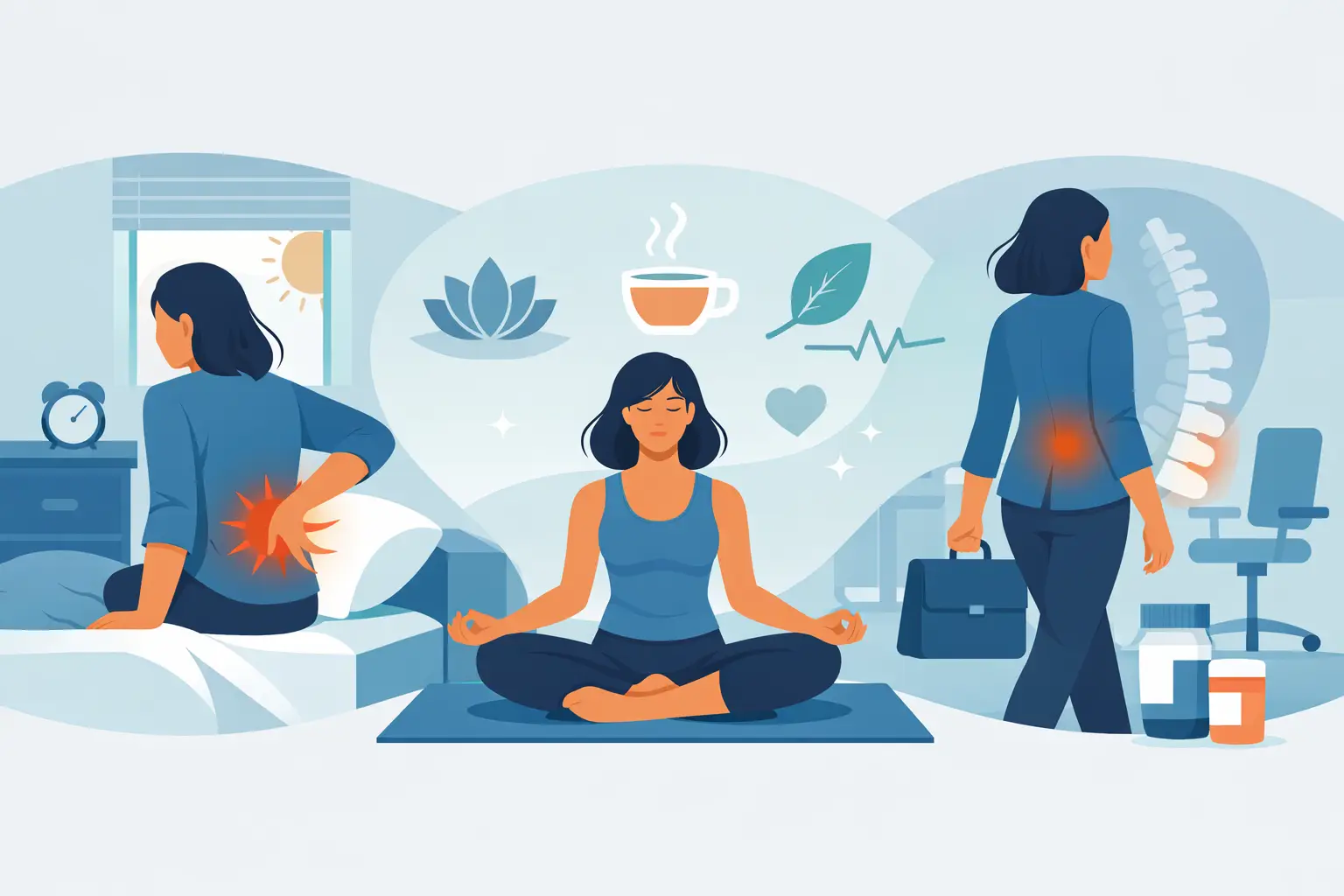
How to Manage Chronic Back Pain Daily
Some people wake up with back pain and expect it to pass in a few days. Then weeks turn into months, and simple things like sitting through work, carrying groceries, or getting a good night’s sleep start to feel harder than they should. If you are trying to figure out how to manage chronic back pain, the first step is knowing that ongoing pain usually needs more than rest and short-term fixes.
Chronic back pain is not always caused by one clear injury. It can build over time from repetitive strain, poor recovery after an accident, prolonged sitting, reduced strength, old sports injuries, or changes in how your body moves to protect a painful area. That is why the best approach is usually practical, consistent, and personalized.
How to manage chronic back pain without making it worse
A common mistake is swinging between two extremes – doing too much on good days and avoiding movement completely on bad days. Both can keep the cycle going. Pushing through pain can flare irritated tissues, while too little movement can increase stiffness, weakness, and fear around activity.
In most cases, chronic back pain responds better to paced movement. That means staying active, but in a way your body can tolerate and recover from. Walking, gentle mobility work, and targeted strengthening are often more helpful than waiting for pain to disappear before you move.
Pain does not always mean damage is getting worse. Sometimes it means the area is sensitive, tired, or overloaded. That distinction matters. If your back is persistently painful, the goal is not to ignore symptoms. It is to understand what triggers them, what eases them, and how to build tolerance over time.
Start with the real cause, not just the sore spot
Back pain is often talked about as if it is one condition. It is not. A person with disc-related pain, arthritis, muscular strain, nerve irritation, postural overload, or pain after a motor vehicle accident may all describe similar symptoms, but their treatment plans should not look exactly the same.
That is why assessment matters. A licensed physiotherapist, chiropractor, or other qualified rehabilitation professional looks at more than where it hurts. They assess your movement, strength, joint mobility, work demands, exercise history, recovery habits, and how long the issue has been present. In some cases, hip stiffness, poor core control, glute weakness, or thoracic restriction can place extra strain on the lower back.
When the plan matches the cause, treatment tends to work better. When people rely only on temporary relief, they often end up chasing symptoms instead of improving function.
Watch for patterns in your pain
A simple pain diary can be useful. Notice when your pain is worse, what positions aggravate it, how long flare-ups last, and what actually helps. You may find that long drives are harder than walking, or that your pain increases after sitting but improves once you change positions. Those details can guide treatment and make daily life easier.
Movement is medicine, but the dosage matters
One of the most reliable answers to how to manage chronic back pain is targeted exercise. Not random exercise. Not a punishing workout after a week of inactivity. The kind of exercise that improves control, strength, endurance, and confidence without setting you back.
For many people, that starts with a combination of mobility and stability work. Gentle spinal movements may reduce stiffness. Core and hip strengthening can improve support around the lumbar spine. Walking can increase circulation and reduce the tendency to guard every movement.
The trade-off is that exercises need to fit your current tolerance. If every session leaves you flared up for two days, the program may be too aggressive. If it feels so easy that nothing changes after several weeks, it may not be enough. A good plan progresses gradually and is adjusted based on your response.
Everyday movement counts too
Structured rehab matters, but so does what happens between appointments. If you sit all day, change positions regularly. If your job involves lifting, work on technique and pacing. If mornings are stiff, a short mobility routine before your day starts can help.
Perfect posture is not the goal. More variety is. The body tends to do better when it is not stuck in one position for hours at a time.
Pain relief can help, but it should support recovery
Heat, massage, manual therapy, acupuncture, and gentle stretching can all have a place in managing chronic back pain. They may reduce muscle tension, calm irritated tissues, and make it easier to move. For many patients, this kind of short-term relief is important because it creates a window where exercise and daily activity feel more manageable.
The key is not to rely on passive treatment alone. If a treatment helps you feel better for a day but your tolerance for sitting, walking, lifting, or working never improves, something is missing. The most effective plans usually combine symptom relief with active rehab and clear goals.
This is where integrated care can make a difference. In a clinic that offers physiotherapy, chiropractic care, massage therapy, acupuncture, and other rehabilitation services under one roof, patients can often get a more coordinated plan instead of disconnected opinions. At Royal Oak Physio, Chiro, and Massage Clinic, that kind of practical coordination is a major part of helping people move better and hurt less.
Sleep, stress, and workload are part of the picture
Back pain is physical, but it is not only physical. Poor sleep can increase pain sensitivity. High stress can lead to more muscle tension and slower recovery. Heavy workloads at work or at home can keep the back in a constant cycle of strain.
This does not mean the pain is all in your head. It means your nervous system, energy levels, and daily demands affect how pain behaves. If you are sleeping poorly, working long desk hours, and skipping meals while dealing with a painful back, recovery can be slower even with good treatment.
Small changes can make a real difference. A more supportive sleep position, better workstation setup, regular walking breaks, and realistic pacing through the day can reduce unnecessary strain. If your symptoms rise when life gets busier, that pattern is worth paying attention to.
When to get professional help for chronic back pain
If your pain has lasted more than a few weeks, keeps returning, limits work or exercise, or is affecting sleep and day-to-day function, it is time for a proper assessment. The same applies if you have had an accident, if pain travels into the leg, or if you are unsure whether exercise is helping or making things worse.
There are also situations where faster medical attention is important, such as significant weakness, changes in bowel or bladder control, saddle numbness, unexplained weight loss, fever, or severe pain that is rapidly worsening. Those signs need prompt evaluation.
For most ongoing back pain, though, the goal is not bed rest or waiting it out. It is a treatment plan that gives you direction. That may include hands-on therapy, progressive exercise, education, return-to-work guidance, and strategies to reduce flare-ups without avoiding life.
What good long-term management looks like
Learning how to manage chronic back pain is usually less about finding one magic fix and more about building a system that works in real life. Good management means you understand your triggers, you know which exercises help, you can calm down a flare before it takes over the week, and you are steadily improving what your body can handle.
Some people need short-term pain relief to get started. Others need strength and conditioning. Others need support returning to work, sport, or normal routines after an injury. It depends on your history, your goals, and what your back has been dealing with for months or even years.
The encouraging part is that chronic back pain can improve. It may not happen overnight, and progress is not always linear, but many people do get stronger, more mobile, and more confident with the right plan. If your back pain has been running the show for too long, a careful assessment and a practical treatment strategy can be the turning point that gets you moving forward again.