
Can Orthotics Relieve Foot Pain? What to Expect
A sharp heel pain on the first few steps of the morning, aching arches after a shift, or sore feet that limit a walk in the neighbourhood can change how you move through your day. Can orthotics relieve foot pain? For many people, they can be an effective part of treatment – but the right answer depends on why your feet hurt, how you move, and whether other areas of your body are contributing to the problem.
Orthotics are not a one-size-fits-all cure. They are shoe inserts designed to support, cushion, or guide the foot in a more comfortable position. When they are selected and fitted properly, orthotics may reduce stress on painful tissues, improve comfort during walking and standing, and help you return to activities with more confidence.
How orthotics can relieve foot pain
Your feet absorb force with every step. If a joint is moving poorly, an arch is not getting enough support, or pressure is repeatedly concentrated in one area, the tissues in your feet can become irritated. This may show up as heel pain, arch pain, pain under the ball of the foot, calluses, or general fatigue after standing.
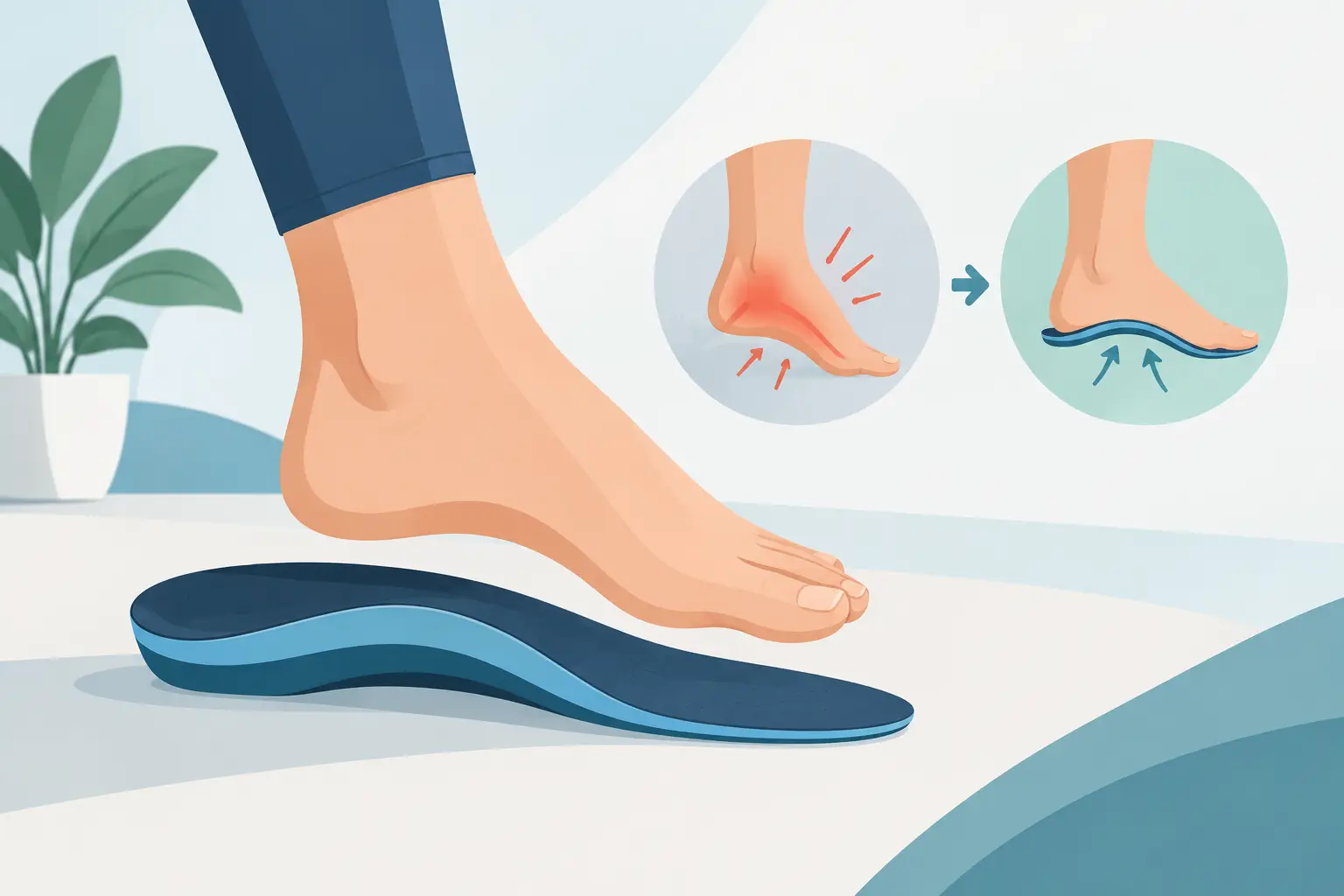
Orthotics work by changing how pressure and force travel through the foot. Some provide cushioning to reduce impact. Others support the arch, redistribute pressure away from a tender area, or help control excessive foot motion. The goal is not to force every foot into the same “ideal” shape. It is to give your feet the support they need for your body, footwear, work demands, and activities.
For example, a person who stands on concrete for eight hours may need more shock absorption and pressure relief than a runner whose pain appears only after longer distances. Someone with diabetes or reduced sensation in the feet may need careful pressure management to help protect the skin. A proper assessment matters because the same symptom can have very different causes.
Foot conditions that may respond to orthotics
Orthotics are commonly considered for plantar fasciitis, which often causes pain under the heel or along the arch, especially with first steps after rest. By supporting the arch and reducing pull on the plantar fascia, an insert may make walking more tolerable while the tissue settles.
They can also help with metatarsalgia, a broad term for pain in the ball of the foot. In this case, a pad or a custom contour may redistribute pressure away from sore metatarsal heads. People with flat feet, high arches, bunions, arthritis, Achilles tendon irritation, or recurring calluses may also benefit when foot mechanics or uneven loading are contributing to symptoms.
Pain in the feet is not always a foot-only issue. Limited ankle mobility, calf tightness, weakness around the hips, an old knee injury, or a change in walking pattern after back pain can all alter how the foot handles load. That is why orthotics often work best as one piece of a broader treatment plan rather than the entire plan.
Custom orthotics versus store-bought inserts
Over-the-counter insoles can be useful for mild discomfort, temporary support, or extra cushioning in a roomier shoe. They are usually less expensive and easy to try. For some people, that is enough.
Custom orthotics are made from an assessment of your feet, walking pattern, symptoms, footwear, and daily demands. They may be more appropriate when pain is persistent, there is a significant structural difference between the feet, you have a diagnosed condition, or standard inserts have not helped. They can also be adjusted when your comfort, footwear, or activity level changes.
Custom does not automatically mean rigid or uncomfortable. Orthotics can be designed with different materials and levels of support. A work boot, running shoe, dress shoe, and winter boot all place different limits on the device. The best orthotic is one you can actually wear consistently in the footwear you use most.
There is a trade-off to consider: a highly supportive device may not fit every shoe, while a thinner insert may offer less control. Your practitioner should discuss these practical details before recommending a device. Comfort, fit, and function matter as much as the prescription itself.
What happens during an orthotics assessment?
A thorough assessment starts with your story. When did the pain begin? Is it worse in the morning, after activity, or by the end of a workday? Has your training, footwear, job, or health changed? These details help identify patterns that an insert alone may not explain.
The physical assessment may include looking at the skin and joints of the feet, checking ankle and toe movement, assessing strength and flexibility, and observing how you stand, walk, or perform a task related to your sport or work. Your practitioner may also review your current shoes. A worn-out sole or a shoe that is too narrow can continue to aggravate the foot, even with a well-made orthotic inside it.
If custom orthotics are appropriate, measurements or a cast of the feet may be taken. Once the orthotics are ready, they should be checked in your shoes and reviewed for comfort. Small adjustments are sometimes needed. This is normal and should not be treated as a failure of the device.
Orthotics work better with active treatment
An orthotic can reduce a painful load, but it does not automatically restore mobility, strength, or tolerance for activity. If plantar fasciitis has made walking painful for months, for instance, the calf, foot muscles, and ankle may also need attention. Gradually rebuilding capacity helps reduce the chance that symptoms return as soon as you become more active.
A treatment plan may include hands-on therapy, mobility work, targeted strengthening, activity modification, and guidance on footwear. For athletes, it may also include a gradual return-to-running or return-to-sport plan. For people with physically demanding jobs, the plan may focus on pacing, supportive work shoes, and ways to reduce repeated strain during long shifts.
At Royal Oak Physio, Chiro, and Massage Clinic, orthotics can be considered within a coordinated approach to pain and movement. Physiotherapy, chiropractic care, massage therapy, and other services may be recommended when they address factors contributing to your foot pain. The aim is practical: help you move better, hurt less, and stay active in the ways that matter to you.
When foot pain needs further assessment
Do not rely on an insert alone if you have severe pain, sudden swelling, an inability to bear weight, numbness, a wound that is not healing, changes in foot colour or temperature, or pain after a significant injury. These symptoms may require prompt medical assessment.
Persistent pain also deserves attention. If discomfort has lasted several weeks, keeps returning, or is changing the way you walk, a professional assessment can help distinguish between common overload issues and conditions that need different care. Early guidance may prevent a small problem from becoming a longer interruption to work, exercise, or daily life.
Orthotics are most helpful when they match the person wearing them, not just the diagnosis written on a referral. If your feet are holding you back, an assessment can clarify whether support, rehabilitation, different footwear, or a combination of treatments is the most sensible next step.