
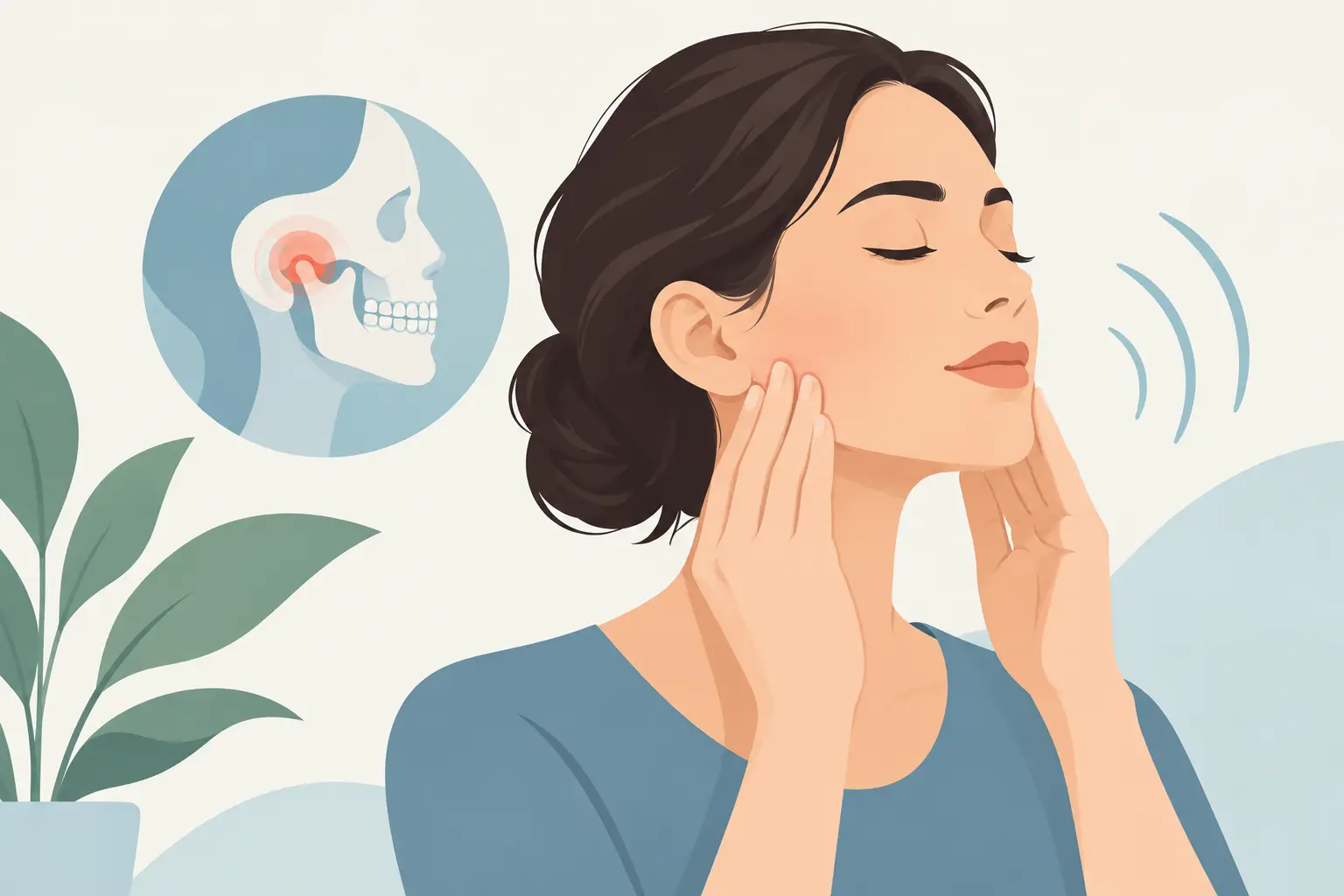
TMJ Massage for Jaw Pain and Tension Relief
Jaw pain rarely stays in the jaw. It can show up as morning headaches, a tight neck, sore cheeks, ear-area discomfort, or a feeling that your teeth never quite get a break. TMJ massage can help reduce tension in the muscles around the jaw, especially when clenching, grinding, stress, posture, or an injury is keeping those muscles overworked.
The goal is not to force the jaw to move or to press through sharp pain. Effective treatment uses gentle, targeted hands-on care to settle irritated tissues, improve comfortable movement, and help you understand what may be driving the problem. For many people, it is one useful part of a broader plan for moving better and hurting less.
What TMJ massage targets
TMJ refers to the temporomandibular joints, the two joints connecting your lower jaw to your skull. They work with several muscles in the face, jaw, neck, and upper shoulders every time you talk, chew, yawn, or swallow. When the system is irritated, the jaw muscles can become guarded and sensitive.
TMJ massage generally focuses on muscles such as the masseter along the side of the jaw, the temporalis at the temples, and supporting muscles in the neck and upper back. A licensed massage therapist may also assess areas that seem unrelated at first, such as the shoulders or upper spine. Forward-head posture and prolonged desk work can increase the workload on the jaw and neck, particularly for people who clench while concentrating.
Massage does not change the structure of the joint or replace dental care where that is needed. It can, however, help calm muscle tension and make it easier to restore normal movement habits.
Signs your jaw tension may respond to massage
Jaw pain has many possible causes, so an assessment matters. Still, massage may be helpful when symptoms are clearly linked to muscular tension. Common signs include tenderness in the cheeks or temples, fatigue when chewing, a tight or restricted opening, teeth clenching, jaw soreness after waking, and tension headaches that begin around the temples or neck.
Some people notice clicking or popping without pain or limitation. That does not automatically mean the joint is damaged or that massage is required. If the click is painless and your jaw moves normally, treatment may focus more on muscle control, posture, and monitoring symptoms. If clicking comes with pain, locking, or a sudden change in your bite, it deserves a more thorough evaluation.
Headaches, neck pain, and jaw pain often overlap
The muscles around the jaw and neck share close working relationships. A stressful week can lead to clenching. Clenching can make the temples and neck sore. Neck stiffness can then make headaches feel more frequent or intense. Treating only one sore spot may provide short-term relief, but it may not address the pattern that keeps returning.
This is why a TMJ-focused assessment should look at your jaw movement as well as your neck posture, work habits, sleep position, breathing patterns, and recent injuries. The best treatment plan depends on what your body is doing day to day.
What a professional TMJ massage session may include
Your therapist should begin by asking about your symptoms, health history, daily activities, and goals. They may check how far and how comfortably you can open your mouth, whether the jaw shifts during movement, and where the muscles feel most tender.
Treatment often includes gentle work to the jaw, temples, scalp, neck, and shoulders. Pressure should be adjusted to your comfort level. More pressure is not always better, especially when tissues are already sensitive. You may feel temporary tenderness after treatment, much like after any focused massage, but sharp pain, numbness, or worsening symptoms should be reported right away.
In some cases, a suitably trained clinician may discuss intraoral muscle treatment. This is work performed inside the mouth with clear consent, appropriate hygiene, and careful communication. It is not necessary for every patient. External treatment, home strategies, and exercises can be very effective depending on the source of your symptoms.
The benefits and limits of TMJ massage
When jaw symptoms are driven largely by muscle tension, massage can reduce soreness, ease the sense of pressure around the temples, improve comfort when chewing, and help the jaw move with less guarding. It may also give you a clearer sense of which habits trigger your symptoms.
The trade-off is that massage alone may not create lasting change if the original stressor remains. A night guard prescribed by a dentist, changes to workstation setup, jaw-control exercises, sleep support, stress-management strategies, or physiotherapy may all be appropriate additions. For example, someone who clenches during deadlines may need a simple daytime relaxation routine, while someone with jaw pain after a motor vehicle accident may need coordinated treatment for the neck, jaw, and headache symptoms.
Results also vary. Some patients feel easier movement after one visit; others need several sessions alongside active rehabilitation. The aim is meaningful progress in function, not simply a brief period of relief.
Gentle self-massage for jaw tension
Home care can be useful between appointments when it is done gently. Start by placing the tip of your tongue lightly behind your upper front teeth and allowing your teeth to separate. This resting position can reduce unnecessary clenching.
With clean hands, use small, slow circles over the thick cheek muscle just below your cheekbone and in front of your ear. Move gradually toward the angle of the jaw. Then massage the temples using light pressure. Spend 30 to 60 seconds in each area, breathing slowly and keeping the jaw relaxed rather than open wide.
A warm compress for 10 to 15 minutes may help before self-massage if your muscles feel tight. Choose softer foods temporarily if chewing aggravates symptoms, and avoid testing the jaw repeatedly by opening as wide as possible. Gum, nail biting, chewing ice, and resting your chin in your hand can all keep the muscles working when they need a break.
Stop self-massage if it causes sharp pain, dizziness, tingling, or a significant increase in clicking or locking. These signs call for professional guidance rather than more pressure.
When jaw pain needs prompt assessment
Not every jaw symptom is appropriate for massage first. Seek prompt medical or dental assessment if you have a jaw that is locked open or closed, major swelling, fever, a recent fracture or facial trauma, severe tooth pain, signs of infection, or a sudden change in how your teeth fit together.
Jaw and facial pain can occasionally overlap with more serious conditions. New chest pressure, shortness of breath, sweating, nausea, or pain spreading into the arm, shoulder, neck, or jaw requires urgent medical attention. Do not assume it is muscle tension.
If your symptoms are persistent, recurring, or interfering with eating, sleeping, speaking, or work, an assessment can help clarify the next step. A collaborative care plan may include massage therapy alongside physiotherapy, chiropractic care, acupuncture, dental guidance, or medical follow-up, depending on your needs.
A treatment plan built around your daily life
At Royal Oak Physio, Chiro, and Massage Clinic, care for jaw pain is based on how the problem affects your life. That may mean being able to finish a workday without a headache, eat comfortably, return to training, or wake up with less jaw soreness. Your practitioner can coordinate care with other services when neck pain, posture issues, injury recovery, or persistent headaches are part of the picture.
A good TMJ massage plan should leave you with more than a relaxed hour on the table. It should give you practical ways to reduce strain, understand your triggers, and build confidence in normal movement. If your jaw has been asking for attention through pain, tension, or headaches, a focused assessment is a sensible place to start.