
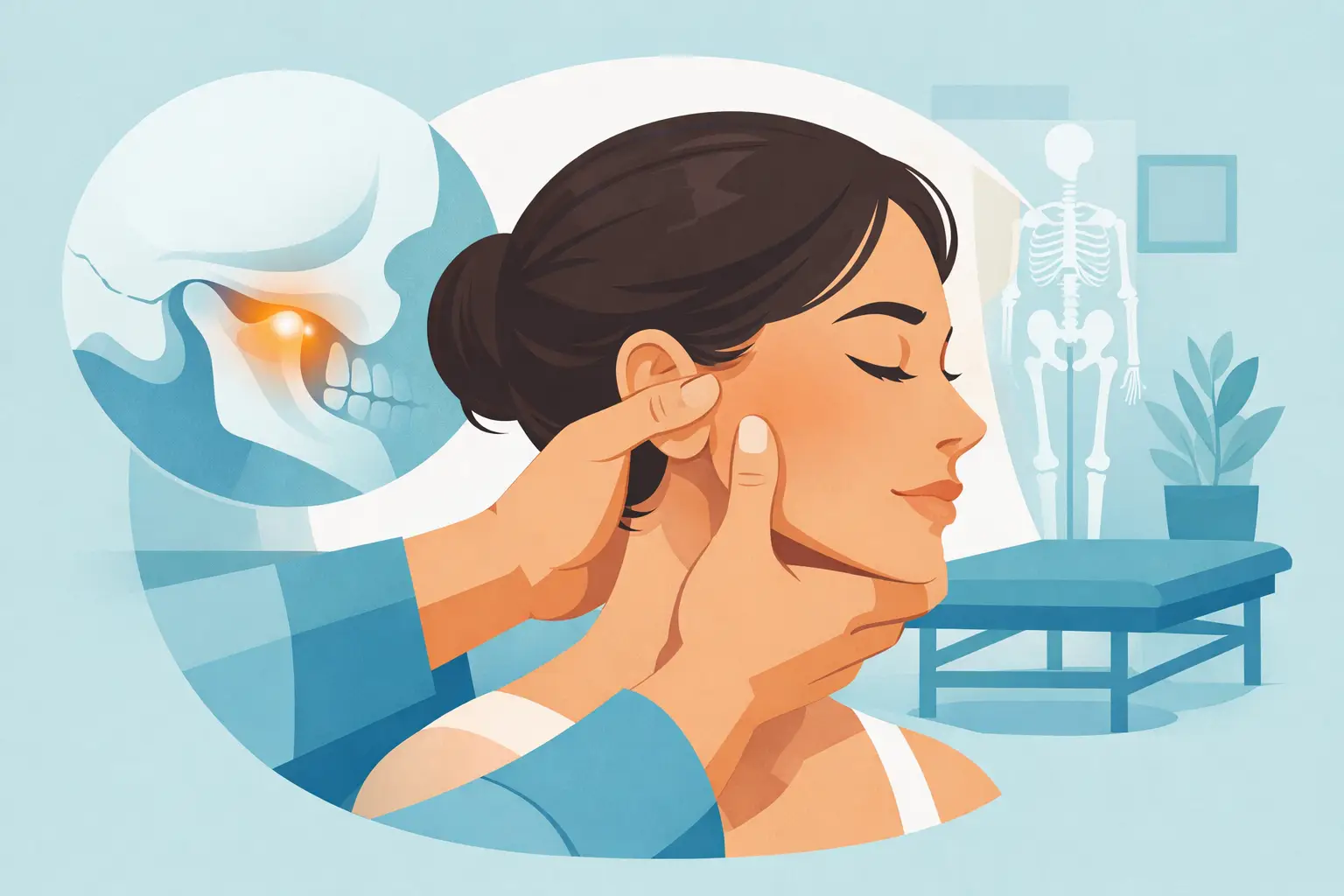
TMJ Massage at Royal Oak Physio Clinic
Jaw pain has a way of taking over small parts of your day. Chewing feels irritating, talking too long makes your face tired, and a simple yawn can trigger a sharp reminder that something is not moving the way it should. For many people, tmj massage at Royal Oak Physio, Chiro and Massage Clinic is one part of a practical treatment plan to reduce tension, calm pain, and help the jaw move more comfortably again.
The jaw is easy to ignore until it starts clicking, locking, or aching. When that happens, people often assume the problem is only in the joint itself. In reality, the surrounding muscles are often heavily involved. Tightness through the jaw, cheeks, temples, neck, and upper shoulders can feed into TMJ symptoms and keep them going. That is where hands-on care can make a real difference.
What TMJ massage is meant to treat
TMJ refers to the temporomandibular joint, the hinge that connects your jaw to your skull. You use it constantly for eating, speaking, swallowing, and facial expression. When the joint or the muscles around it become irritated, everyday movement can start to feel like work.
People seek treatment for different reasons. Some notice jaw soreness first. Others come in because of headaches, facial tension, ear-area discomfort, or pain that spreads into the neck. There can also be clicking, popping, limited opening, clenching, grinding, or a feeling that the bite is off. Not every click is serious, and not every sore jaw needs the same type of care. That is why assessment matters.
Massage for TMJ symptoms focuses on the soft tissues contributing to the problem. The goal is not simply to press on a painful spot and hope it settles. A licensed therapist looks at the larger pattern, including muscle tone, trigger points, posture, neck involvement, and how the jaw is moving. Sometimes the jaw is the loudest symptom, but the neck and upper shoulders are quietly driving part of the issue.
How TMJ massage at Royal Oak Physio Clinic can help
TMJ massage at Royal Oak Physio Clinic is typically used to reduce muscle tension, improve circulation, and make jaw movement less guarded. When muscles stay tight for long periods, they can become tender and overactive. That can increase pain with chewing, speaking, or opening the mouth wide.
Targeted massage may help settle those tissues. Depending on the assessment, treatment may include work through the masseter muscles along the jaw, the temporalis muscles at the temples, and related areas in the neck and shoulders. In some cases, intraoral massage may also be part of treatment when clinically appropriate and with clear patient consent. This can be useful for deeper muscles that are difficult to reach from the outside.
The benefit is often more noticeable when massage is part of a broader care plan. If posture, stress-related clenching, neck stiffness, or joint mechanics are involved, treating muscle tension alone may help, but not fully. That is where coordinated care under one roof can be valuable. A patient may benefit from massage therapy alongside physiotherapy, chiropractic treatment, exercise guidance, or other supportive care depending on the findings.
Why jaw pain is rarely just jaw pain
TMJ symptoms do not always start with an obvious injury. For some people, they build slowly from clenching during work hours, grinding at night, or carrying persistent tension in the face and neck. For others, the trigger may be a dental procedure, a sports impact, a motor vehicle accident, or long periods of poor head and neck posture.
This is why two people with similar jaw pain can need different treatment plans. One person may improve quickly when muscle tension is reduced and a few home strategies are added. Another may need a more layered approach because the problem includes joint irritation, chronic neck dysfunction, or a pattern of stress-driven guarding.
An honest treatment plan should reflect that. There is no one-size-fits-all promise with TMJ care. Some cases respond well within a short period. Others need more time, especially if symptoms have been present for months or years.
What to expect during an appointment
A proper TMJ-focused massage appointment should begin with questions, not assumptions. Your therapist will want to know what you are feeling, when it started, what makes it worse, whether you clench or grind, and whether you have associated symptoms such as headaches, neck pain, or difficulty opening your mouth.
The physical assessment may include looking at jaw opening, side-to-side motion, tenderness in the facial muscles, and tension patterns through the neck and shoulders. This helps guide treatment so it is specific rather than generic.
From there, the massage itself is adjusted to your tolerance and goals. Some areas can be surprisingly sensitive, particularly if the jaw muscles have been overworking for a long time. Treatment does not need to be aggressive to be effective. In fact, overly forceful work can sometimes make an irritated system more reactive. Good care is measured, clinical, and responsive to how your body is presenting that day.
Patients often ask how quickly they will feel better. It depends. Some notice relief in jaw tension or headaches after one session. Others feel improvement more gradually as several contributing areas are addressed together. When symptoms are tied to nighttime grinding or ongoing daily stress, home care and habit changes become a key part of lasting results.
TMJ massage works best with a plan
Hands-on treatment can help, but long-term change usually comes from combining symptom relief with practical follow-through. That may include jaw relaxation exercises, postural correction, heat or cold recommendations, and simple guidance on avoiding habits that overload the joint.
For example, a person who clenches during computer work may need cues to relax the tongue and jaw during the day. Someone with neck stiffness may need mobility work and strengthening. A patient dealing with headaches and facial tension after an accident may need coordinated treatment across more than one discipline.
This integrated approach is one of the strengths of a multidisciplinary clinic. Instead of sending patients in different directions, care can be coordinated based on what the assessment shows. If massage is helping the muscles but the joint remains restricted, another service may be brought into the plan. If the main barrier is inflammation or acute irritation, the treatment focus may shift accordingly.
When TMJ massage may not be enough on its own
Massage is useful, but it is not the answer to every jaw problem. If there is significant locking, severe limitation in opening, recent trauma, major bite changes, or symptoms that suggest a more complex joint issue, massage may be only one part of the picture. The same goes for pain that is referring from another source or symptoms that involve dental factors.
That does not mean massage is the wrong choice. It means good care starts with knowing where it fits. A clinic that values results should be clear about this. Patients deserve treatment that matches the problem, not a generic series of appointments.
At Royal Oak Physio, Chiro, and Massage Clinic, that practical mindset matters. The focus is not on overpromising. It is on assessing the source of pain, choosing the right combination of therapies, and helping patients make steady, measurable progress.
Who should consider TMJ massage at Royal Oak Physio, Chiro and Massage Clinic
This kind of care may be worth considering if you are dealing with recurring jaw tightness, facial pain, tension headaches, clicking associated with muscle strain, or soreness that worsens with chewing and talking. It can also be a good option if your jaw symptoms seem to be connected to neck tension, posture, stress, or recovery after an accident.
For patients in northwest Calgary communities like Royal Vista, Rocky Ridge, Tuscany, Arbour Lake, Nolan Hill, Citadel, and Bearspaw, having access to coordinated care close to home can make follow-through easier. That matters more than people think. Recovery tends to go better when treatment is practical enough to keep up with.
The best next step is usually not to wait for the problem to become constant. Jaw pain often starts as an annoyance, then becomes a habit, then becomes something that affects eating, sleep, focus, and comfort. Early treatment can help calm that cycle before it becomes harder to change.
If your jaw has been tight, sore, noisy, or tiring too easily, it may be time to get it properly assessed. The right treatment should help you move better, hurt less, and feel like daily tasks are simple again.