
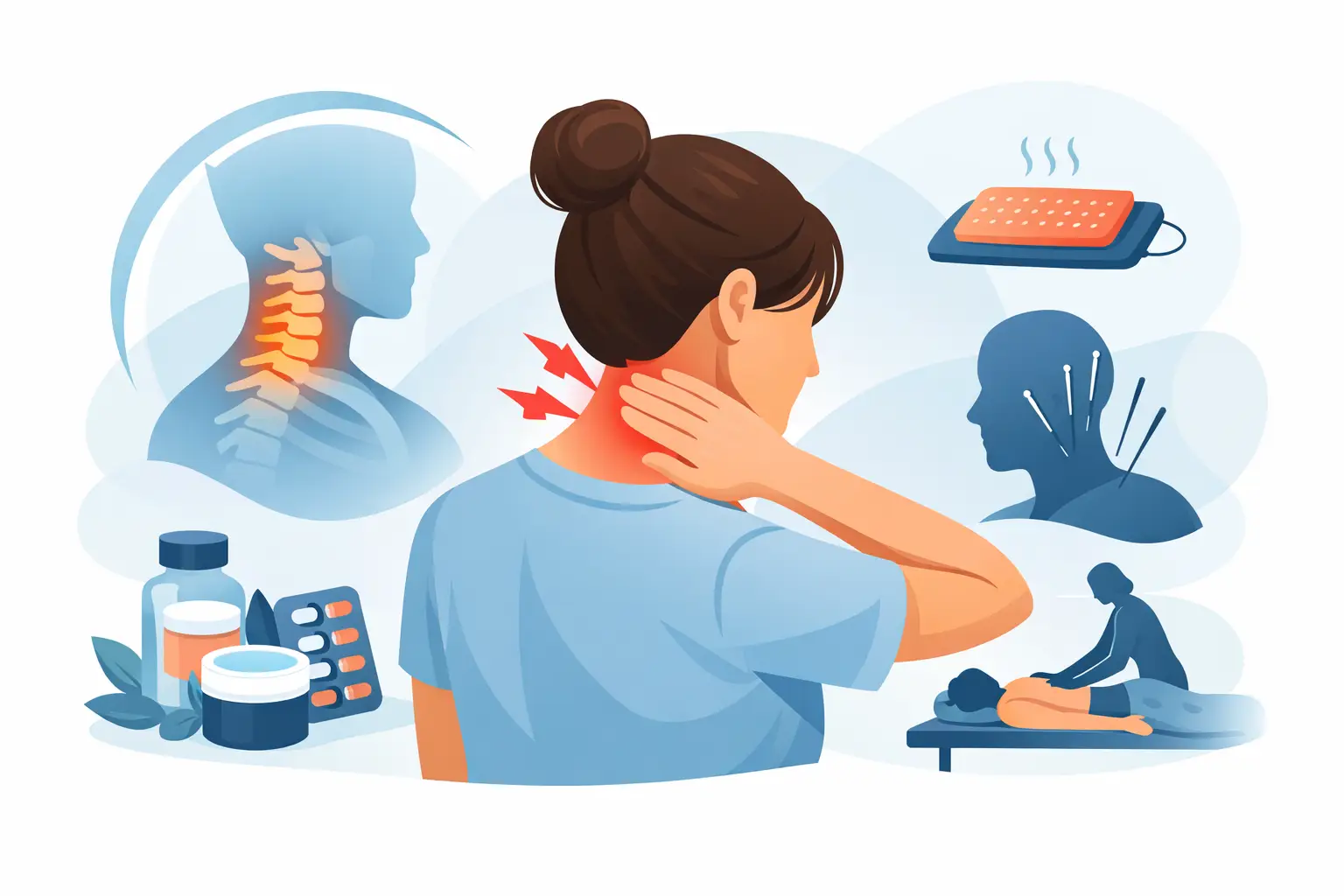
Best Treatments for Neck Stiffness That Work
Waking up unable to comfortably check your blind spot, work at a screen, or turn toward someone speaking beside you can make a stiff neck feel much bigger than a minor inconvenience. The best treatments for neck stiffness depend on what is driving it – a prolonged desk posture, an awkward sleep position, a sports strain, arthritis, stress-related muscle tension, or an injury such as a motor vehicle accident. The goal is not simply to loosen the area for a few hours. It is to reduce pain, restore confident movement, and address the habits or physical issues that keep the stiffness returning.
Start by understanding what your neck is telling you
Neck stiffness often involves more than the neck alone. The upper back, shoulders, jaw, and nervous system can all contribute. For example, someone who spends long periods looking down at a laptop may develop tight chest and upper shoulder muscles, reduced upper-back movement, and a guarded neck posture. A quick stretch may feel good, but lasting improvement usually requires a broader approach.
A stiff neck can also appear suddenly. Sleeping with the neck in an unfamiliar position, carrying a heavy bag on one shoulder, increasing a workout too quickly, or turning suddenly during sport can irritate muscles and joints. In many cases, symptoms improve within days with sensible self-care and gradual movement.
Pain that persists, repeatedly returns, follows an accident, or limits work, driving, sleep, or exercise deserves a professional assessment. A licensed practitioner can identify whether your symptoms are mainly related to muscle tension, joint irritation, nerve sensitivity, movement patterns, or a combination of factors.
Best treatments for neck stiffness: what helps most
There is no single treatment that suits every stiff neck. The most effective plan usually combines short-term symptom relief with active rehabilitation that helps you move better over time.
Gentle movement and mobility exercises
Complete rest can make neck stiffness worse. Within your comfort level, gentle movement tells the body that it is safe to move again and helps prevent further guarding. Slow head turns, looking up and down, and side bending may be appropriate when done without forcing through sharp pain.
The key is dosage. A few comfortable repetitions performed several times through the day are often more useful than one intense stretching session. If pain shoots into the arm, causes numbness or tingling, or noticeably worsens after an exercise, stop and seek advice from a qualified clinician.
A physiotherapist can prescribe exercises based on your specific restrictions. That may include neck control exercises, upper-back mobility, shoulder blade strengthening, or gradual loading for work and sport tasks. This is especially helpful for recurring stiffness, desk-related pain, and recovery after an injury.
Heat or cold for short-term comfort
Heat can be useful when the neck feels tight, achy, and guarded. A warm shower, heating pad, or warm compress may help muscles relax before gentle movement. Cold may feel better after a recent strain or when the area feels irritated and sore.
Neither option fixes the underlying cause, but both can make it easier to move and sleep while symptoms settle. Use a protective layer between your skin and the heat or cold source, keep sessions brief, and avoid falling asleep with a heating pad.
Hands-on physiotherapy and chiropractic care
Manual therapy can provide meaningful relief when stiffness is linked to restricted joint movement or muscle tension. Depending on the assessment, treatment may include joint mobilization, soft-tissue techniques, muscle release, or carefully selected chiropractic adjustments.
The right approach should never feel like a one-size-fits-all routine. Your practitioner should explain what they are treating, why it is appropriate, and how it fits with your active recovery plan. Hands-on care often helps reduce pain and improve movement, but the best longer-term results come when it is paired with exercises and practical changes to daily habits.
For people in northwest Calgary, Royal Oak Physio, Chiro, and Massage Clinic can coordinate physiotherapy, chiropractic care, and other services under one roof when a combined approach makes sense.
Massage therapy for muscle tension and stress-related pain
Massage therapy can be a valuable part of care when the upper trapezius, levator scapulae, chest, or upper-back muscles are contributing to stiffness. Many people notice that neck pain rises during stressful periods, when they unknowingly hold their shoulders high or clench their jaw. Targeted massage can reduce muscle guarding, improve comfort, and make it easier to participate in exercise-based rehabilitation.
Massage is not only for relaxation. In a treatment plan, it can support recovery from overuse, poor work ergonomics, or sports-related muscle strain. If stiffness returns quickly after massage, that is useful information: the contributing movement pattern, workstation setup, strength deficit, or stress load may need more attention.
Improve your workstation and movement breaks
You do not need a perfect ergonomic setup to reduce neck strain. You need a setup that allows regular movement and does not force your head forward for hours. Raise your screen so the top portion is near eye level, bring the keyboard and mouse close enough that you are not reaching, and support your back while sitting.
Laptop users often benefit from a separate keyboard and mouse, particularly when working for more than a short period. Headsets can help if you spend much of the day on calls. Most importantly, change position regularly. A one- or two-minute movement break every 30 to 60 minutes can be more realistic and more helpful than trying to hold one “perfect” posture all day.
Sleep position and pillow adjustments
A pillow should support your head in line with your body, not push the neck sharply forward or let it drop to one side. Side sleepers generally need enough height to fill the space between the shoulder and head. Back sleepers often do better with a lower, supportive pillow. Stomach sleeping can leave the neck rotated for long periods and may aggravate stiffness for some people.
There is no universally best pillow. Body shape, preferred sleeping position, shoulder width, and mattress firmness all matter. Before buying expensive equipment, try small adjustments such as changing pillow height, using a towel roll for gentle neck support, or avoiding sleeping with the arm under your head.
Acupuncture and other supportive options
Some patients find acupuncture helpful for pain modulation and muscle tension, particularly when stiffness has become persistent. It may be considered alongside physiotherapy, massage therapy, and exercise, rather than as a replacement for restoring movement and strength.
Over-the-counter pain medication may also be appropriate for some adults in the short term, but it is not right for everyone. Speak with a pharmacist or physician first if you have stomach, kidney, heart, bleeding, pregnancy, or medication-related concerns. Medication should support movement and recovery, not become the only strategy.
When neck stiffness needs urgent medical attention
Most stiff necks are not dangerous, but certain symptoms need prompt medical assessment. Seek urgent care if neck pain or stiffness occurs with severe headache, fever, rash, confusion, fainting, new weakness, loss of coordination, changes in vision or speech, or numbness that is spreading or worsening.
You should also be assessed promptly after a significant fall, collision, or blow to the head or neck, especially if pain is severe or you have dizziness, concussion symptoms, arm pain, or neurological changes. Do not try to forcefully stretch or manipulate a neck after an accident.
For symptoms that are not urgent but have lasted more than a couple of weeks, keep returning, or interfere with everyday life, booking an assessment is a practical next step. A clear diagnosis is not always immediate, but a good assessment provides a starting point, measurable goals, and a plan that can be adjusted as you improve.
Build a plan that fits real life
The treatment that works is the one you can follow consistently. A working professional may need short mobility breaks and a workstation plan. An active adult may need a gradual return to lifting, running, or contact sport. Someone recovering from a collision may need a more structured program that addresses pain, mobility, balance, confidence, and return-to-work demands.
Your neck should not have to dictate how you work, sleep, drive, or spend time with family. Start with comfortable movement today, pay attention to what repeatedly aggravates symptoms, and get personalized help when stiffness is not improving. The right plan should leave you with more than temporary relief – it should help you trust your movement again.