
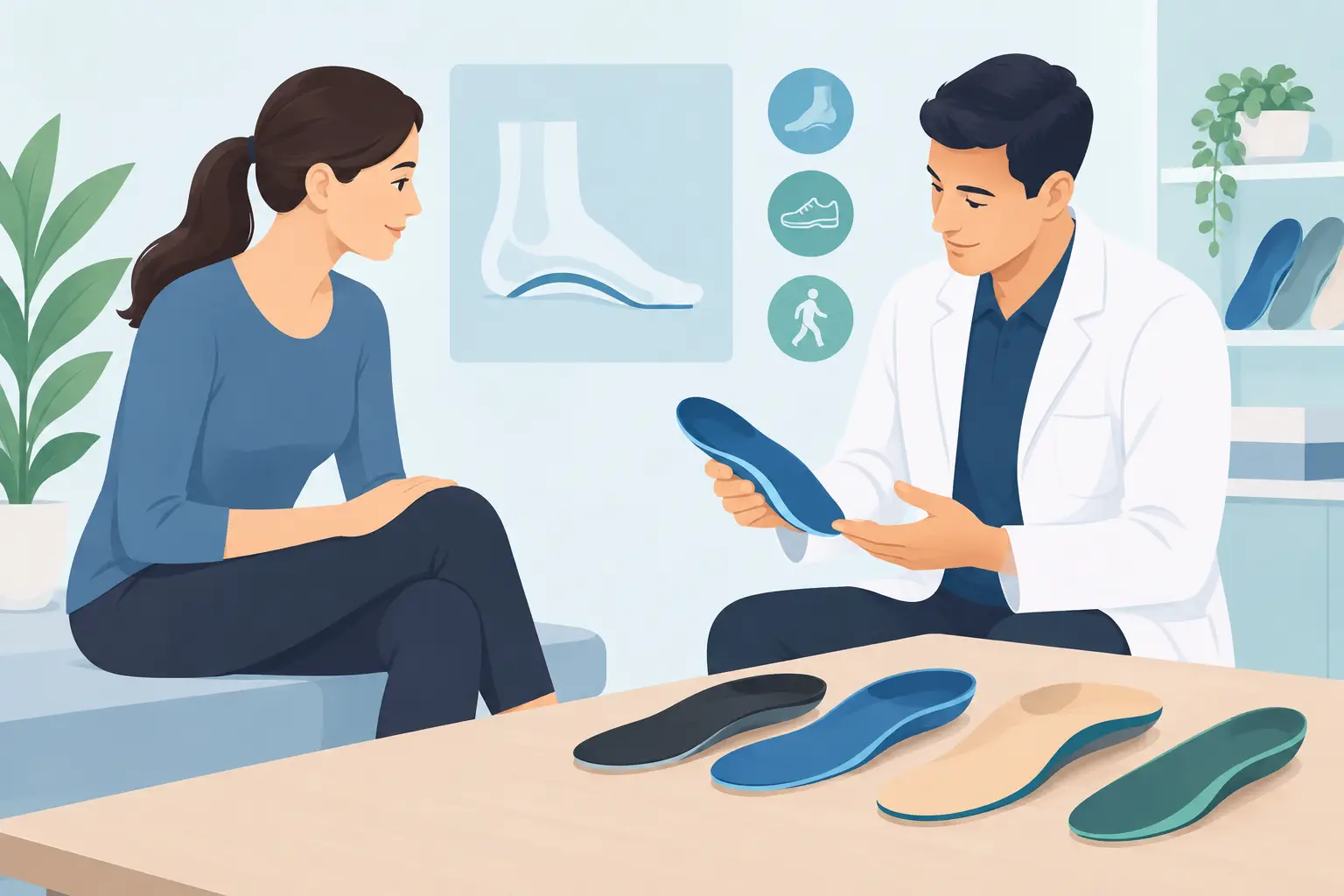
How to Choose Custom Orthotics That Fit Your Needs
A pair of orthotics can look simple, but the right choice can affect how your feet, knees, hips, and back feel through a full workday, a neighbourhood walk, or a training session. Learning how to choose custom orthotics starts with more than picking an insole that feels soft in the store. It means understanding why your symptoms are happening and choosing support that works with your body, footwear, and goals.
Custom orthotics are not a one-size-fits-all fix. They can be a useful part of a broader plan for pain relief and better movement, particularly when they are prescribed after a thorough assessment by a qualified practitioner.
Start With the Problem You Want to Solve
People often seek orthotics because of heel pain, aching arches, tired feet, shin splints, knee discomfort, or recurring pain during work or sport. Others notice that one shoe wears down faster than the other, their ankles roll inward, or standing for long periods has become increasingly uncomfortable.
Those signs matter, but they do not automatically mean you need an orthotic. Foot pain can come from changes in activity, poorly fitting shoes, joint irritation, tendon problems, nerve sensitivity, arthritis, or an injury higher up the leg. An orthotic should address a contributing factor, not simply cover up pain.
Before choosing a device, be clear about when symptoms appear. Do they start first thing in the morning? After walking on concrete? During a run? Only in work boots? Specific details help a practitioner determine whether support, cushioning, footwear changes, strengthening, hands-on treatment, or a combination is most likely to help.
How to Choose Custom Orthotics With a Proper Assessment
A custom orthotic should begin with an individual assessment, not a quick measurement at a retail counter. Your practitioner should ask about your health history, work demands, sport or exercise routine, past injuries, current footwear, and the activities you want to return to comfortably.
The physical assessment should look beyond the sole of your foot. A clinician may assess your walking pattern, foot posture, ankle mobility, calf flexibility, leg strength, balance, and alignment through the knees and hips. This matters because the foot is part of a connected movement system. For example, limited ankle movement or weakness around the hip may change how force is handled at the foot.
A scan, impression, or mould of your feet is typically used to create the orthotic. The technology used to capture your foot is less important than the clinical reasoning behind the prescription. A detailed digital scan is helpful, but it cannot replace an assessment of how you move, where you hurt, and what you need the orthotic to do.
If you are offered the same style of device without discussion of your symptoms or footwear, ask more questions. The goal is not just a custom-shaped insert. It is a custom plan.
Choose Support Based on Your Daily Footwear
An orthotic that works well in running shoes may not fit properly in dress shoes, casual boots, safety footwear, or skates. Bring the shoes you wear most often to your appointment when possible. This allows the practitioner to consider available space, heel height, sole stiffness, and the type of activity the shoe is built for.
A firmer orthotic can provide meaningful control and support for some people, especially in work boots or athletic shoes. However, a device that is too rigid for your needs can feel intrusive or uncomfortable. A softer, more cushioned orthotic may be more appropriate for sensitive feet, certain joint conditions, or long periods on hard floors, but it may provide less control.
There is always a trade-off. More support is not automatically better, and more cushioning is not always the answer. The best choice is the one you can wear consistently without creating new pressure points or changing your natural movement in an unhelpful way.
Consider the Material and Design, Not Just the Label
Custom orthotics can be made from a range of materials, including firmer plastics, foam, cork-like materials, and layered cushioning. A practitioner may also prescribe additions such as heel cushioning, arch support, forefoot padding, cut-outs to reduce pressure, or modifications that accommodate foot shape and specific painful areas.
The right design depends on your diagnosis and lifestyle. Someone managing plantar heel pain may need a different approach than a person with forefoot pressure, a runner with recurrent shin discomfort, or a worker who stands on concrete for eight hours. Children and teens also need careful consideration because their feet and activity levels can change quickly.
Avoid assuming an orthotic needs to feel dramatically corrective on day one. While it should feel supportive, it should not cause sharp pain, numbness, tingling, or worsening symptoms. A short adjustment period is common, but persistent discomfort deserves a follow-up rather than something you simply try to push through.
Ask What Else Is Part of the Treatment Plan
Orthotics can reduce strain and improve load distribution, but they rarely address every reason pain developed. If pain is linked to an overuse injury, reduced mobility, weakness, poor balance, or a sudden increase in training volume, those factors may need attention as well.
A results-focused plan may include physiotherapy exercises to build foot, calf, hip, and core strength; manual therapy to improve mobility; guidance on returning to activity; and advice about footwear or pacing. For some people, chiropractic care, massage therapy, or other treatments may also support comfort and movement, depending on the condition and clinical findings.
This broader approach is especially helpful when symptoms involve the knees, hips, or low back. An orthotic can influence how force travels through the lower body, but it should be part of a plan based on your actual movement needs, not a replacement for rehabilitation.
Make Sure Follow-Up Is Available
Your body may need time to adapt to a new orthotic. Many people start by wearing it for shorter periods and gradually increase use over several days or weeks. Your practitioner should give clear instructions based on the device and your symptoms.
Follow-up matters because small adjustments can make a substantial difference. The orthotic may need to be modified if it rubs, feels too bulky in your shoes, causes pressure under the arch, or does not support the area it was intended to help. This is one of the strongest reasons to choose a provider who remains involved after the device is dispensed.
Ask how adjustments are handled, what timeframe is recommended for reassessment, and what signs mean you should return sooner. You should also ask about the expected lifespan of the orthotic. Wear patterns, body weight, activity level, and the shoes you use all affect how long it lasts.
Think Carefully About Cost and Coverage
Custom orthotics are an investment, so it is reasonable to ask what is included. Clarify whether the fee covers the assessment, casting or scan, orthotic device, fitting appointment, and any adjustment period. Benefits coverage varies widely between plans, and some insurers have specific requirements for prescriptions or provider credentials.
The lowest price is not always the best value if the process does not include a meaningful assessment or follow-up. At the same time, the most expensive device is not automatically the most appropriate one. Look for a recommendation that is clearly tied to your symptoms, footwear, activity level, and functional goals.
When to Seek Assessment Promptly
Do not rely on orthotics alone if you have severe swelling, sudden inability to bear weight, a visible deformity after an injury, numbness that is progressing, unexplained wounds, or signs of infection. People with diabetes, reduced circulation, or significant nerve changes should also seek professional guidance before using a new foot device, as pressure areas can become more serious.
For ongoing foot, knee, hip, or back discomfort, an assessment can help identify whether custom orthotics are likely to be useful and how they fit into your recovery plan. At Royal Oak Physio, Chiro, and Massage Clinic, the focus is on practical care that helps you move better and hurt less, with recommendations based on your goals rather than a generic template.
The right orthotic should make daily life feel more manageable: a walk feels easier, standing at work is less draining, and returning to the activities you enjoy feels more realistic. Start with a careful assessment, give the device time to settle in, and keep the conversation open if something does not feel right.