
Is Acupuncture Painful? What It Really Feels Like
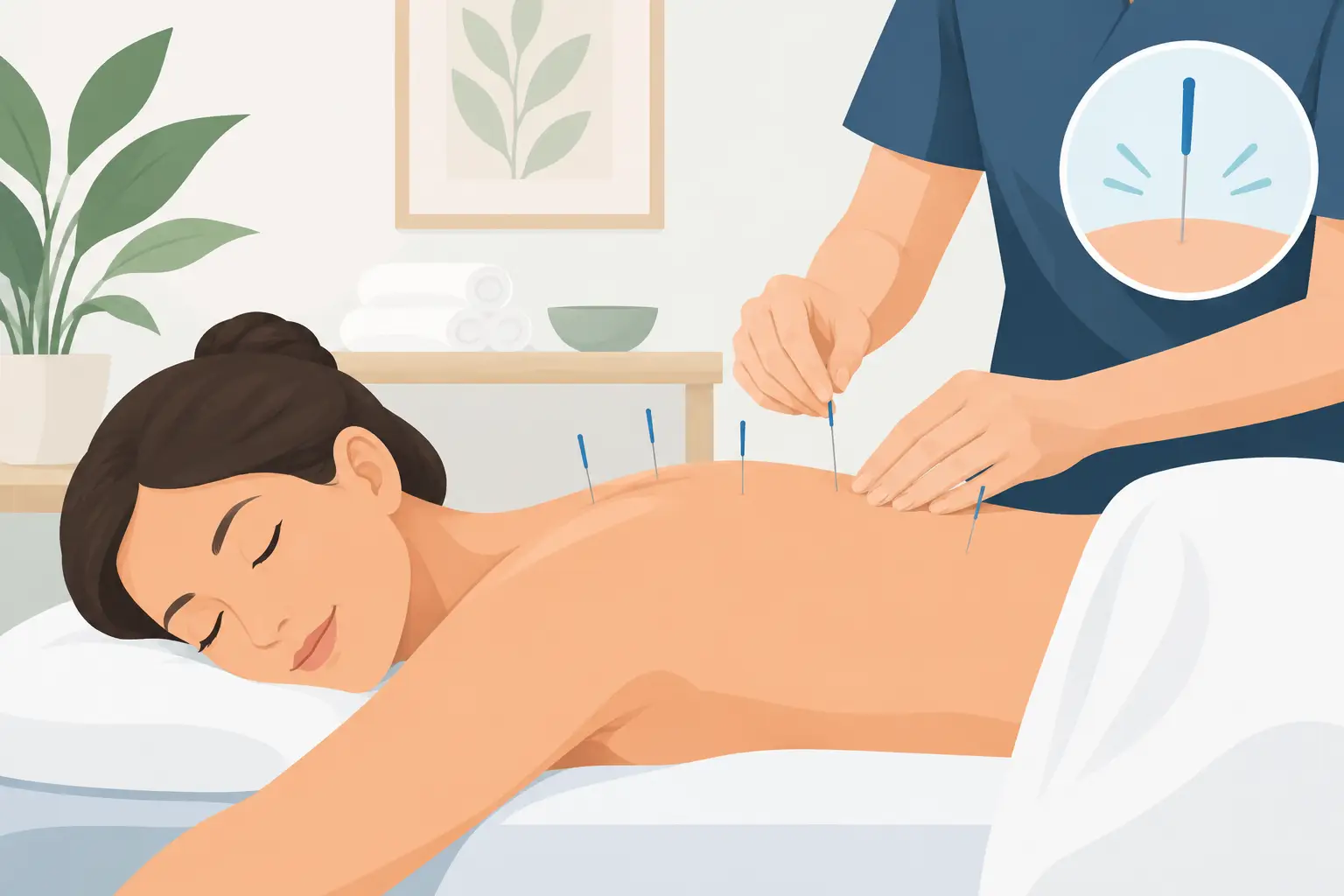
A common concern before a first appointment is simple: is acupuncture painful? Most people are surprised by the answer. Acupuncture is usually not painful in the way people expect from an injection, blood test, or vaccine. The needles are extremely fine, and many patients feel little more than a brief pinch, mild pressure, warmth, or a dull, heavy sensation around the treatment area.
That said, every person and every treatment area is different. A skilled practitioner will explain what they are doing, check in with you during the session, and adjust the approach if something feels too sharp or uncomfortable. Treatment should feel manageable, respectful, and focused on helping you move better and hurt less.
Why acupuncture needles feel different
Acupuncture needles are much thinner than the hollow needles used to give medication or draw blood. They are designed to gently pass through the skin rather than create the larger puncture needed for an injection. In many cases, patients do not feel the needle go in at all.
The first moment of insertion may cause a quick, light sensation. Once the needle is in place, you might notice tingling, warmth, heaviness, a small muscle twitch, or a spreading ache. These sensations are often temporary and can be part of the body’s response to treatment.
The goal is not to make you tolerate pain. If you feel a sharp, burning, pinching, or persistent pain, tell your practitioner right away. The needle can usually be repositioned or removed quickly. Good acupuncture care is collaborative, not something you simply have to endure.
Is acupuncture painful in sensitive areas?
It can be more noticeable in certain parts of the body. Areas with less soft tissue, such as the hands, feet, ankles, lower legs, ears, or scalp, may feel more sensitive than the back, shoulders, hips, or thighs. Tight, irritated muscles can also react more strongly than relaxed tissue.
Your current pain level matters too. If you are dealing with a fresh sports injury, whiplash after a motor vehicle accident, a headache, or ongoing low back pain, the area may already be sensitive before treatment begins. Your practitioner can choose different points, use fewer needles, insert them more shallowly, or start with another part of the body.
For people who are nervous about needles, the anticipation can feel worse than the treatment itself. Letting your practitioner know ahead of time is useful. They can talk you through the process, begin gradually, and make sure you feel in control at every stage.
What sensations are normal during a session?
There is no single “right” feeling during acupuncture. Some people barely notice the needles and become deeply relaxed. Others feel a brief heaviness or dull ache that fades within seconds. You may also experience a light twitch in a nearby muscle, especially when treating muscular tension or an overworked area.
A feeling sometimes described as pressure, fullness, or a deep ache can occur after a needle reaches the intended point. It should not feel like an electric shock, stabbing pain, or intense burning. While a fleeting zing can occasionally happen near a sensitive nerve pathway, it should be reported immediately so the practitioner can adjust.
After treatment, it is common to feel calm, loose, or slightly tired. Some patients notice that their symptoms feel temporarily different before settling, particularly when they are managing chronic pain or a highly irritated muscle or joint. Others feel no major change until after several sessions. Response varies depending on the condition, your activity level, sleep, stress, and the rest of your treatment plan.
What affects how acupuncture feels?
Your experience is influenced by more than the needles themselves. Hydration, anxiety, fatigue, medications, recent exercise, and how much pain you are already in can all affect sensitivity. Going into an appointment hungry, dehydrated, or rushed may make it harder to relax.
The practitioner’s assessment and technique also matter. Acupuncture should not be a one-size-fits-all service. A treatment plan for desk-related neck tension may look different from one for runner’s knee, persistent low back pain, TMJ discomfort, or recovery after a workplace injury. Needle placement, depth, number of needles, and treatment duration should reflect your goals and comfort level.
At Royal Oak Physio, Chiro, and Massage Clinic, acupuncture can also be considered alongside physiotherapy, chiropractic care, massage therapy, or other rehabilitation services when that combination makes sense for your condition. Coordinated care can help address the movement limits, muscle tension, and habits that may be contributing to recurring symptoms.
How to make your first acupuncture appointment more comfortable
A little preparation can make a meaningful difference. Eat a light meal beforehand unless your healthcare provider has told you otherwise, and drink some water during the day. Wear comfortable clothing that allows access to the treatment area, or bring clothing that makes it easy to expose your shoulder, knee, lower leg, or back as needed.
Arrive with an honest picture of your symptoms. Explain where you hurt, what movements aggravate the problem, whether you have had previous acupuncture, and how you typically respond to needles. Mention any history of fainting, significant anxiety around needles, bleeding concerns, pregnancy, implanted medical devices, or medications and supplements that may affect bleeding or bruising.
During treatment, keep communicating. You do not need to be brave or silent if something does not feel right. Saying “that feels sharp” or “I am getting lightheaded” gives your practitioner the information needed to respond promptly. Your comfort is part of safe, effective care.
Does acupuncture leave marks or cause soreness?
Most people leave with no visible marks. Occasionally, there may be a tiny spot of blood when a needle is removed, minor tenderness at a point, or a small bruise. Bruising is more likely in people who bruise easily or take medications that affect blood clotting, but it is still generally limited.
Mild soreness can happen when acupuncture is used in very tight or sensitive muscle tissue. Think of it as similar to the tenderness you might feel after hands-on therapy or a new exercise. It should be short-lived rather than severe or worsening. If you have unexpected symptoms after treatment, contact your practitioner or seek appropriate medical advice.
It is also worth separating acupuncture from dry needling. Both use fine, solid needles, and either may be used by appropriately trained healthcare professionals. However, their assessment models, point selection, and clinical goals can differ. Ask what approach is being recommended and why it fits your condition.
When acupuncture may not be the right first step
Acupuncture is not appropriate for every situation, and it should not delay assessment of urgent symptoms. Sudden weakness, loss of coordination, chest pain, trouble breathing, severe or unexplained headache, new bowel or bladder changes, fever with significant pain, or worsening symptoms after a serious injury need timely medical assessment.
For non-urgent concerns, acupuncture may be one useful tool rather than the entire solution. Lasting improvement often also involves restoring strength, improving mobility, changing aggravating work or sport habits, and building a realistic plan for daily movement. The best treatment is the one that fits your diagnosis, goals, preferences, and stage of recovery.
If needle anxiety has kept you from seeking help for pain, start by having a conversation. A thoughtful assessment and a gradual plan can take much of the uncertainty out of the first visit, so you can focus on what matters: getting back to the activities your body has been making harder.