
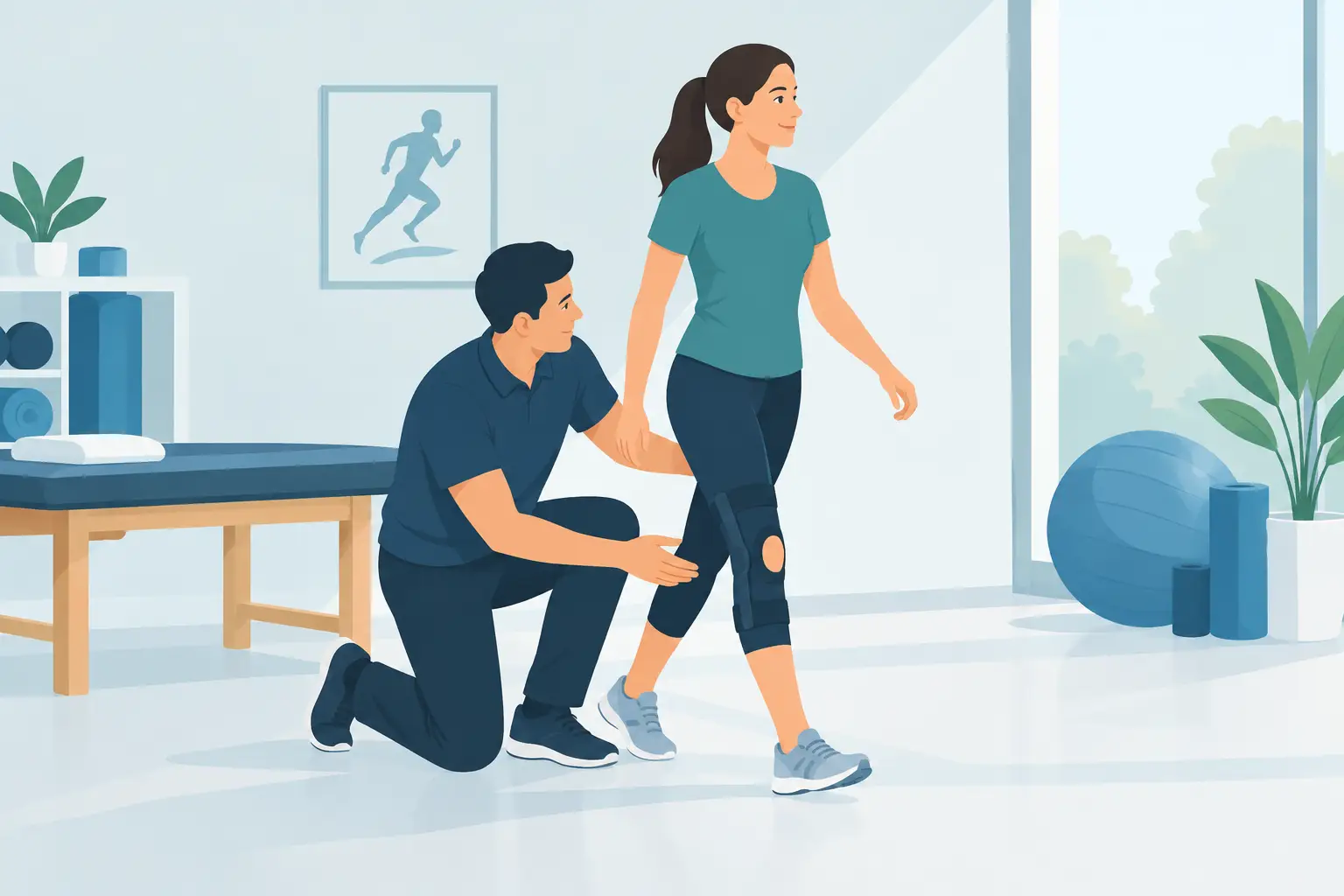
Injury Recovery That Gets You Moving Again
A sore shoulder that makes getting dressed difficult. A knee that still feels unreliable weeks after a twist on the field. Back pain after a collision that has not settled as expected. Injury recovery can feel frustrating because the body rarely follows a calendar. The right next step depends on what was injured, how it happened, your daily demands, and how your symptoms are changing.
Rest may help in the earliest stage, but rest alone is rarely the whole answer. A practical recovery plan should reduce pain, restore movement and strength, and help you return to the activities that matter – whether that is a full workday, lifting your child, a walk around the community, or your sport.
Injury recovery is more than waiting for pain to fade
Pain is useful information, but it is not the only measure of healing. Some people have less pain yet still lack the strength, balance, joint control, or confidence needed to move safely. Others continue to feel discomfort because they have avoided movement for so long that the surrounding muscles have become stiff or weak.
Effective injury recovery balances protection with gradual activity. Early on, that may mean modifying a task, reducing training volume, using hands-on treatment to settle symptoms, or learning a more comfortable way to move. As your body tolerates more, the focus should shift toward mobility, strength, endurance, and the specific demands of your work or sport.
There is no benefit in pushing through sharp or escalating pain. But there is also a cost to waiting until you feel completely perfect before moving again. The goal is measured progress: enough challenge to rebuild capacity without repeatedly flaring up the injury.
Start with a clear assessment
An accurate assessment gives treatment a direction. A licensed practitioner will ask how the injury occurred, what movements aggravate it, whether symptoms are improving, and how the problem is affecting sleep, work, exercise, and home life. They will also assess movement, strength, joint range, balance, and relevant areas above and below the painful site.
This matters because the place that hurts is not always the only place that needs attention. For example, knee pain may be influenced by hip strength, ankle mobility, footwear, or a sudden jump in running distance. Persistent neck pain after a motor vehicle accident may involve the neck, upper back, shoulder muscles, headaches, or dizziness. Treating only the sore spot can provide short-term relief while leaving the contributing factors unchanged.
A good assessment also identifies when you may need further medical investigation or a modified plan. Honest care means recognizing those situations rather than promising a quick fix.
Build an injury recovery plan around real life
A treatment plan works best when it fits your actual routine. The best exercise program on paper will not help much if it takes an hour a day or requires equipment you do not have. Your practitioner should help you focus on the few actions that will make the greatest difference, then adjust the plan as your symptoms and function improve.
Set functional goals, not just pain goals
Pain relief matters, but it is more useful to pair it with a meaningful outcome. You may want to sit through a meeting without needing to stand up, climb stairs with confidence, return to recreational hockey, or complete a full shift without a flare-up.
Functional goals make progress easier to see. They also help guide treatment. A warehouse worker may need lifting tolerance and safe bending mechanics. A runner may need calf strength, single-leg control, and a gradual return to impact. Someone recovering from a wrist injury may need grip strength and dexterity for work or daily tasks.
Progress movement gradually
Exercise should match your current tolerance, not an ideal version of where you want to be. Early exercises may look simple: gentle range-of-motion work, controlled muscle activation, short walks, or balance drills. They are not filler. They create the foundation for heavier, faster, or more complex movement later.
As recovery advances, your program may include resistance training, task-specific movements, agility work, or work-conditioning exercises. The dosage matters. Too little challenge may not rebuild capacity. Too much, too soon can trigger a setback. Mild, temporary soreness can be normal, particularly after increasing activity, but worsening pain that lingers or changes your movement pattern is a sign to reassess.
Reassess instead of repeating the same treatment
Recovery is not static. What helps in the first two weeks may not be the right focus a month later. Regular reassessment allows your practitioner to measure changes in mobility, strength, pain response, and function, then progress treatment accordingly.
That may mean reducing hands-on care as you become more independent with exercise. It may mean adding a different therapy when a plateau is linked to pain, soft-tissue sensitivity, dizziness, or poor movement control. The goal is not endless appointments. It is to give you a clear path toward stronger, more confident movement.
Use the right mix of care
Different injuries respond to different combinations of care. Physiotherapy commonly forms the foundation of rehabilitation through assessment, exercise prescription, education, and progressive return-to-activity planning. Chiropractic care may help improve joint mobility and manage musculoskeletal pain when it is appropriate for your presentation. Massage therapy can reduce muscle tension and make movement more comfortable, particularly when protective guarding is limiting your progress.
Other options may have a place depending on the injury. Acupuncture can help with pain modulation for some patients. Shockwave therapy may be considered for certain persistent tendon conditions. Vestibular rehabilitation can be valuable when dizziness or balance issues follow a concussion or other injury. The trade-off is simple: no single therapy replaces a well-designed active rehabilitation plan. Passive treatment may help you move better, but progressive movement is what helps you stay better.
At a multidisciplinary clinic, practitioners can coordinate care instead of asking you to piece together separate recommendations. That is especially helpful for more complex injuries, workplace demands, motor vehicle accident recovery, or symptoms involving several body regions.
Avoid the common recovery traps
One common mistake is doing too much on a good day, then doing almost nothing after symptoms flare. This boom-and-bust pattern makes it hard to build tolerance. A steadier approach is usually more effective: choose an activity level you can repeat, then increase it in small, planned steps.
Another trap is treating every sensation as damage. Stiffness, muscle fatigue, and some discomfort can occur as you return to activity. Your practitioner can help you understand which symptoms are expected and which need attention, so fear does not become another barrier to recovery.
Finally, do not rely on a generic online exercise routine when symptoms are persistent, severe, or tied to a specific accident. Two people with what appears to be the same injury may need very different starting points.
When to seek prompt assessment
Book an assessment promptly if pain is not improving, is getting worse, or is stopping you from completing normal tasks. Seek urgent medical attention for symptoms such as:
- new numbness, significant weakness, or loss of coordination
- loss of bladder or bowel control
- severe headache, repeated vomiting, confusion, or worsening symptoms after a head injury
- obvious deformity, inability to bear weight after an injury, or severe swelling
These signs do not always mean something serious, but they should not be managed by guesswork.
Return to work, sport, and daily activity with confidence
A successful return is more than being able to complete an activity once. You should be able to tolerate it repeatedly, recover reasonably afterward, and trust your body again. For sport, that can include practising the movements, speed, contact, or fatigue demands you will actually face. For work, it can mean rebuilding tolerance for standing, lifting, carrying, driving, keyboard use, or repetitive tasks.
The timeline will vary. A minor strain may settle quickly, while tendon pain, concussion symptoms, fractures, and injuries after a collision can require a longer, carefully staged plan. Comparing your recovery to someone else’s can create unnecessary pressure. What matters is whether your plan is producing meaningful progress and adapting when it is not.
If pain or an injury is keeping you from moving the way you want, Royal Oak Physio, Chiro, and Massage Clinic can help you start with a clear assessment and a practical plan. The next useful step is not guessing whether you should push harder or rest longer. It is getting the right guidance, taking one manageable step forward, and building from there.