
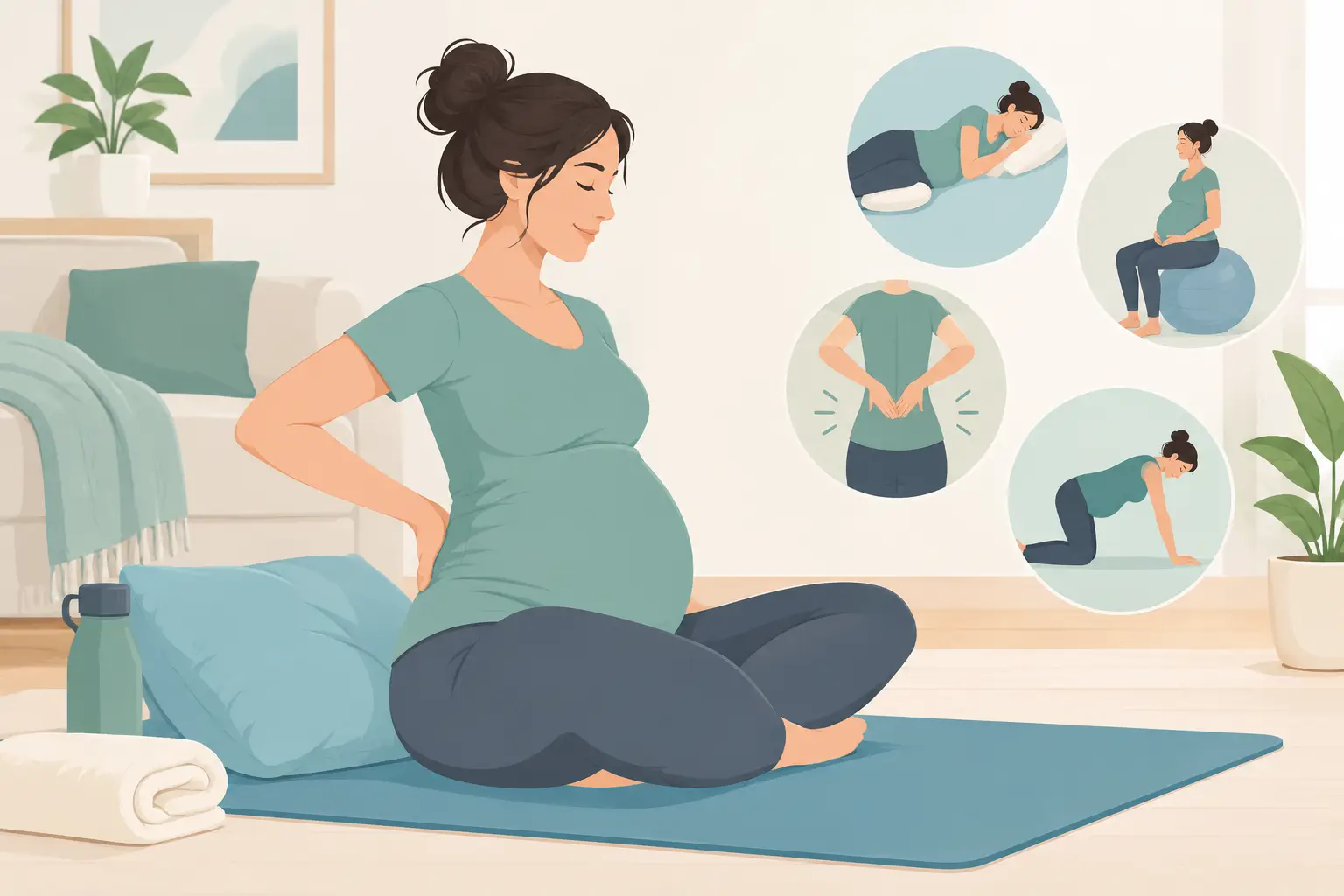
How to Manage Pregnancy Backache Without Overdoing It
A dull ache across the low back after a day at work, a sharp pull when rolling over in bed, or pain around the hips when walking can make pregnancy feel much harder than it needs to. Learning how to manage pregnancy backache is not about pushing through discomfort. It is about making practical changes that support your changing body, protect your mobility, and help you stay comfortable enough to enjoy daily life.
Back pain is common in pregnancy, but common does not mean you have to simply accept it. The right approach depends on where the pain is located, what triggers it, your activity level, and how far along you are. A personalized assessment can help separate ordinary pregnancy-related strain from pain that needs more attention.
Why pregnancy backache happens
Your body changes quickly during pregnancy. As your abdomen grows, your centre of gravity shifts forward. The muscles in your low back, hips, buttocks, and pelvic region must work differently to keep you balanced while standing, walking, lifting, and climbing stairs.
Hormonal changes also matter. Relaxin and other pregnancy hormones help prepare the pelvis for birth by increasing flexibility in ligaments. That is useful, but it can leave some joints feeling less stable. If the muscles around the pelvis are tired, weak, or working inefficiently, discomfort can build up in the lower back or around the sacroiliac joints at the back of the pelvis.
Work and daily routines can add to the problem. Long periods at a desk, standing in one position, caring for other children, commuting, and poor sleep can all make backache more persistent. Some people feel symptoms mostly in the low back, while others notice pain in one buttock, the groin, or the outer hip. Those patterns can require different strategies.
How to manage pregnancy backache day to day
The most helpful plan is usually a combination of gentle movement, better body positioning, and appropriate hands-on care. The goal is not to eliminate every sensation. Pregnancy asks a great deal of your body. The goal is to reduce unnecessary strain and keep you moving with more confidence.
Change positions before pain builds
Staying in any one position for too long can aggravate pregnancy-related back pain. If you work at a computer, try to stand, walk, or change positions regularly rather than waiting until your back is already sore. A supportive chair, feet flat on the floor, and a small cushion behind the low back may improve comfort.
When standing, avoid locking your knees or shifting all your weight into one hip. At the kitchen counter or while doing dishes, placing one foot on a low step can reduce pressure through the low back. Alternate sides every few minutes.
For sleep, many people are more comfortable lying on their side with a pillow between the knees and ankles. A second pillow under the abdomen or behind the back may provide added support. The best setup is the one that helps you rest without creating new hip or neck pain.
Keep moving, but choose the right dose
Gentle activity often helps more than prolonged rest. Walking, swimming, prenatal exercise, and therapist-guided strengthening can maintain circulation, mobility, and muscle support around the hips and spine. However, the right amount of activity varies. If a walk causes pain that steadily worsens, changes your gait, or lingers into the next day, it may be too much for now.
A physiotherapist can help you find exercises that match your symptoms and stage of pregnancy. This may include gentle hip and pelvic mobility, breathing strategies, glute strengthening, and core control exercises adapted for pregnancy. The emphasis should be on quality of movement, not intensity.
Avoid starting a demanding new workout routine simply because back pain has appeared. More exercise is not always better. A short, consistent program that feels manageable is more likely to help than an aggressive plan that leaves you flared up.
Use better lifting and movement habits
Daily tasks can be surprisingly demanding when your back is already irritated. When lifting groceries, laundry, or a young child, move close to the object first. Bend through the hips and knees as able, keep the item near your body, and avoid twisting while carrying it.
When getting out of bed, roll onto your side first, bring your legs over the edge, and use your arms to push yourself upright. This simple change can reduce the sudden pulling sensation many people feel through the low back and pelvis.
If pain is concentrated at the pelvis or pubic bone, taking smaller steps, sitting down to get dressed, and keeping your knees closer together when getting in and out of a vehicle can also be useful. These adjustments may seem minor, but repeated movements add up over a day.
Consider supportive care, not quick fixes
A maternity support belt may help some people during walking or standing, particularly when pelvic pressure is part of the problem. It should feel supportive, not restrictive, and it is usually most effective as one tool within a broader plan. A belt cannot replace muscle conditioning, movement changes, or clinical assessment.
Heat can also offer short-term relief for muscular soreness. Use a warm, not hot, pack for brief periods and avoid placing intense heat directly over the abdomen. If you are unsure what is safe for your pregnancy, ask your prenatal care provider.
Massage therapy from a registered massage therapist trained to work with pregnant patients can help relieve tight muscles and improve comfort. Physiotherapy can address movement patterns, strength, and joint irritation. In some cases, coordinated care may include pelvic floor physiotherapy, especially when back or pelvic pain occurs alongside bladder symptoms, pressure, or difficulty coordinating the pelvic muscles.
When back pain needs professional assessment
Not all pregnancy backache is the same. A licensed physiotherapist can assess how your spine, hips, pelvis, posture, and movement habits are contributing to symptoms, then build a treatment plan around your real daily demands. At Royal Oak Physio, Chiro, and Massage Clinic, care can be tailored around pregnancy-safe exercise, hands-on treatment, and practical strategies for work, sleep, walking, and family life.
It is also important to speak with your midwife, family physician, or obstetric care team if pain is severe, sudden, or unlike your usual symptoms. Seek prompt medical advice if back pain comes with vaginal bleeding, fever, burning with urination, regular cramping or contractions, loss of bladder or bowel control, new leg weakness, numbness in the saddle area, or significant swelling and other concerning symptoms.
Pain that travels below the knee, causes tingling or numbness, or makes it difficult to walk should also be assessed. These symptoms do not always indicate a serious problem, but they deserve more than a generic stretch or internet tip.
A realistic goal for the weeks ahead
Pregnancy backache may change as your body changes, so your plan should be able to change too. What helps at 20 weeks may need adjusting later in pregnancy. Tracking what brings relief, what aggravates symptoms, and how long a flare-up lasts gives your care team useful information.
You do not need to wait until pain is severe to get support. Early guidance can help you move better, hurt less, and stay connected to the activities that matter to you throughout pregnancy.