
What a Manuel Osteopath Can Help You Treat
A search for a manuel osteopath usually starts with a practical problem: pain that keeps returning, stiffness that is affecting daily life, or a feeling that your body is not moving the way it should. If you are dealing with back pain after long workdays, a sports injury that has not fully settled, or tension that seems to travel from your neck into your shoulders, hands-on osteopathic therapy may be one part of a helpful recovery plan.
Manual osteopathic therapy looks at how joints, muscles, connective tissues, and movement patterns work together. The aim is not simply to chase a sore spot. It is to understand what may be contributing to your symptoms and help you move better with a treatment plan that fits your goals.
What Does a Manual Osteopath Do?
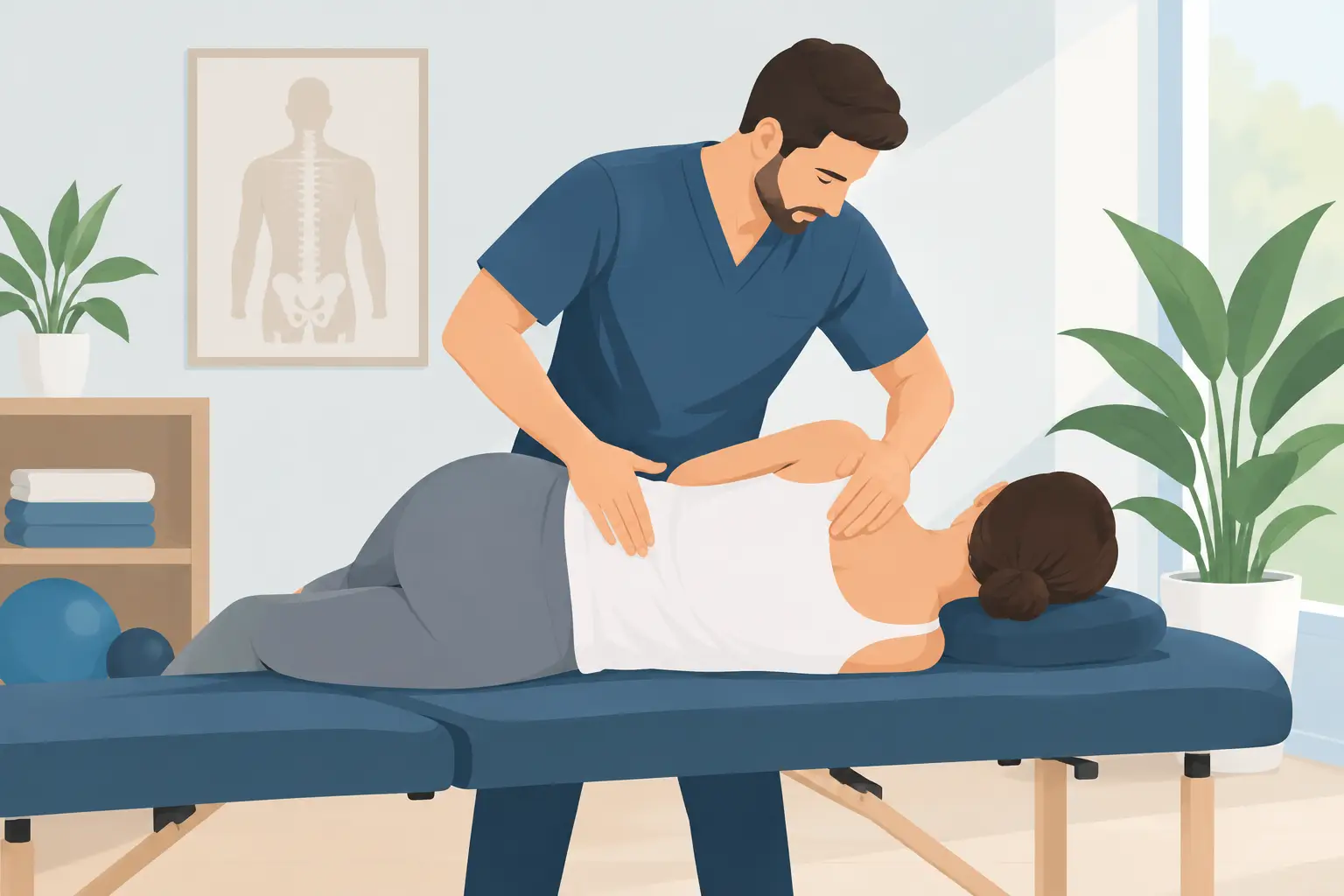
A manual osteopath, often called an osteopathic manual practitioner, uses hands-on assessment and treatment to address restrictions in movement and areas of strain throughout the body. Treatment may include gentle joint mobilization, soft-tissue techniques, stretching, muscle energy techniques, and guidance on posture or movement habits.
Your body rarely works in isolated parts. A painful knee, for example, may be affected by hip strength, ankle mobility, training volume, or how you move when walking and climbing stairs. Similarly, recurring headaches may have a connection to jaw tension, neck mobility, desk posture, or stress-related muscle guarding. An osteopathic assessment considers these relationships while keeping the focus on your main concern.
This approach is often gentle, but gentle does not mean passive. Your practitioner may ask you to move, resist light pressure, breathe in specific positions, or practise exercises between visits. Progress is built through the combination of hands-on care, improved movement, and consistent self-management.
When a Manual Osteopath May Be Helpful
Osteopathic therapy can be considered for many common musculoskeletal concerns, especially when pain and stiffness are limiting work, sleep, exercise, or everyday activities. People often seek care for persistent low back pain, neck and shoulder tension, hip discomfort, joint stiffness, repetitive strain, and aches connected to prolonged sitting or physical work.
It can also be useful during recovery from a sports injury or a motor vehicle accident, once the appropriate medical assessment has been completed. In these cases, the focus may be on restoring comfortable range of motion, reducing protective muscle tension, and helping you return gradually to the activities that matter to you.
For active people, treatment may support a return to running, lifting, cycling, or recreational sport when movement feels restricted. For seniors, it may help address stiffness, balance-related movement concerns, or the confidence to stay active. For office workers in northwest Calgary, the goal may be as straightforward as getting through a workday without a constant ache in the neck, upper back, or low back.
Results depend on the cause of your symptoms, how long they have been present, your overall health, and your willingness to follow a care plan. Some patients feel a change quickly. Others need a more gradual approach, particularly when pain has been present for months or years.
What Happens at Your First Appointment?
A useful first visit should start with questions, not assumptions. Your practitioner will ask about your symptoms, health history, work demands, activity level, previous injuries, and the movements that make your condition better or worse. They may also ask about sleep, stress, and past treatment, because these factors can affect recovery.
The physical assessment may include observing how you stand, walk, bend, reach, or perform movements related to your concern. The practitioner may assess joint motion, muscle tension, tissue sensitivity, and strength or control in key areas. From there, they can explain what they found in clear terms and discuss whether osteopathic therapy is appropriate.
Treatment may begin in the first session, but it should not feel like a one-size-fits-all routine. A person with acute low back pain may need a calmer, symptom-focused approach at first. Someone managing recurring shoulder discomfort may benefit from a combination of hands-on treatment, exercise progressions, and changes to how they train or work.
You should leave with a clear sense of the next step. That may include advice on activity modification, simple mobility work, strengthening exercises, or a recommendation to coordinate care with another provider.
Osteopathic Therapy Works Best as Part of a Plan
Hands-on care can be valuable, but it is rarely the only answer. Long-term improvement often depends on identifying the demands that keep aggravating the problem and building the capacity to handle them. This is where coordinated care can make a meaningful difference.
At a multidisciplinary clinic, osteopathic therapy may be combined with physiotherapy for active rehabilitation, massage therapy for muscle tension, chiropractic care for specific joint concerns, or acupuncture for pain management when appropriate. The right combination depends on your condition and preferences. Not every patient needs every service.
For example, a runner with hip and low back pain may benefit from manual treatment to improve short-term comfort, followed by physiotherapy exercises to improve hip control and running tolerance. A patient recovering from an accident may need a paced plan that addresses pain, mobility, strength, and confidence with movement over time.
Royal Oak Physio, Chiro, and Massage Clinic takes this practical approach to care: assess the problem carefully, choose treatments that fit your needs, and adjust the plan as your function improves.
How to Choose a Manual Osteopath
Credentials, communication, and clinical judgement matter. Ask about the practitioner’s education, experience with your concern, and how they decide whether treatment is appropriate. A good practitioner should welcome reasonable questions and explain their approach without making guarantees.
It is also worth asking what the treatment plan will involve. How will progress be measured? What should you do between appointments? When would another service or medical provider be a better fit? Clear answers help you make an informed decision and avoid care that continues without a defined purpose.
In Alberta, it is particularly important to understand the difference between an osteopathic manual practitioner and a medical doctor trained as an osteopathic physician. Manual osteopathic therapy is a hands-on complementary care approach and does not replace medical diagnosis, emergency care, imaging when clinically needed, or treatment from your physician.
When You Should Seek Medical Care First
Most muscle and joint pain is not an emergency, but some symptoms need prompt medical assessment before hands-on treatment. Seek urgent care for severe pain after a significant injury, sudden weakness, numbness that is worsening, loss of bladder or bowel control, unexplained fever, chest pain, or symptoms that suggest a serious medical condition.
You should also speak with a physician when pain is unexplained, persists without improvement, or is accompanied by unexplained weight loss, major fatigue, or night pain that does not change with position. A responsible practitioner will recognize these signs and refer you when necessary.
A Better Next Step for Pain and Stiffness
If pain or restricted movement is changing how you work, exercise, sleep, or enjoy time with family, you do not need to wait until it becomes overwhelming. A thorough assessment can help clarify what is driving the problem and whether manual osteopathic therapy belongs in your recovery plan. The most useful care starts with listening, sets realistic goals, and gives you practical steps toward moving with greater comfort and confidence.