
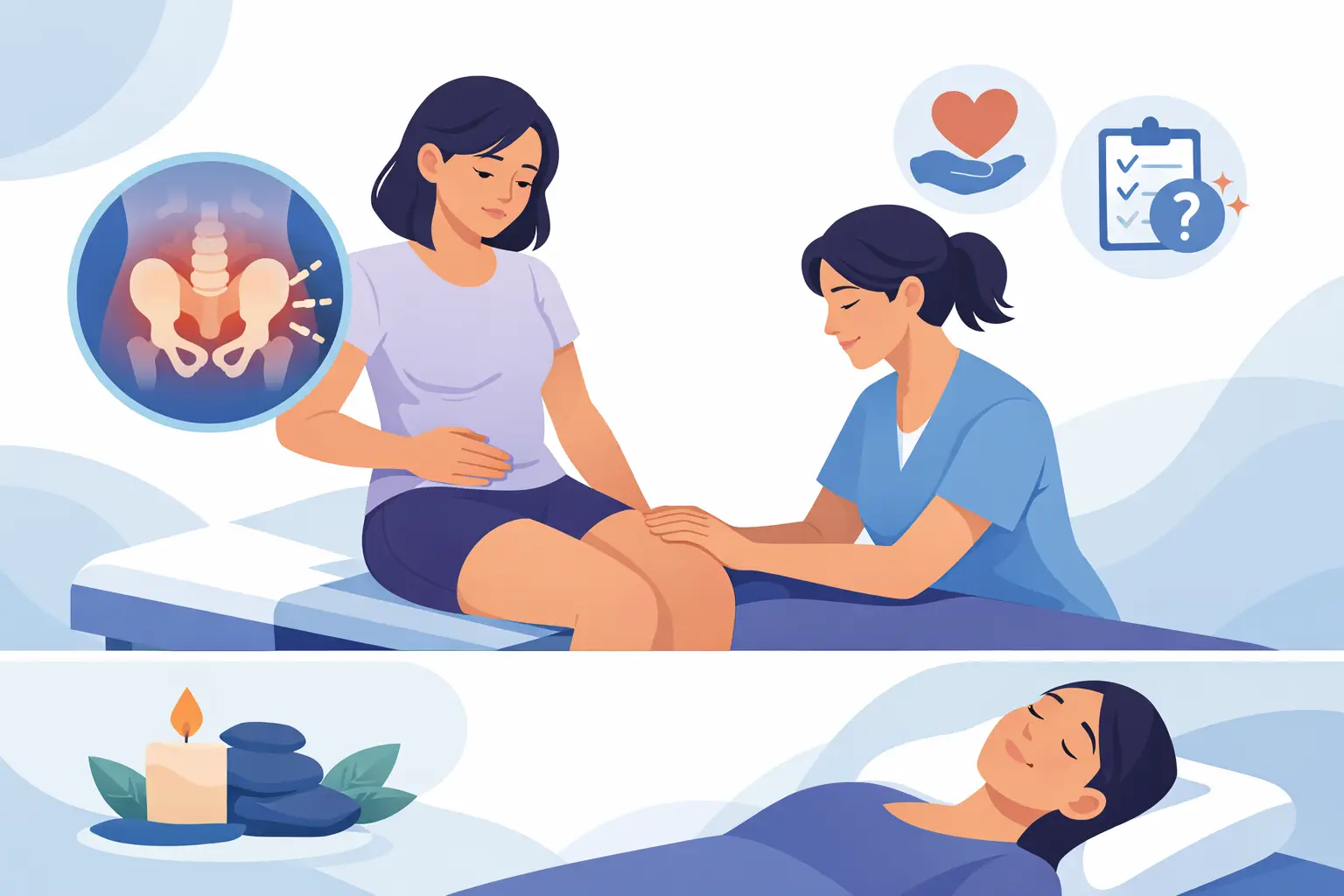
Does Pelvic Therapy Hurt? What You Can Expect
A pelvic floor appointment can feel personal before it ever feels physical. If you are asking, does pelvic therapy hurt, you may be dealing with pain, leaking, pregnancy changes, pelvic pressure, constipation, or discomfort during intimacy – and the thought of an assessment may make you hesitate.
The honest answer is that pelvic floor therapy should not be a painful experience. Some parts of an assessment or treatment can feel unfamiliar, tender, or temporarily uncomfortable, particularly when the pelvic floor is already irritated or tense. But your comfort, consent, and ability to set limits should guide every step of care.
Does pelvic therapy hurt during the first visit?
A first pelvic floor physiotherapy visit usually begins with conversation, not hands-on treatment. Your physiotherapist will ask about your symptoms, health history, daily activities, goals, and any concerns you have about the appointment. This is your opportunity to describe what brings on pain, what you have already tried, and what you are not comfortable doing.
The physical assessment may include looking at how you breathe, stand, move, and use your core, hips, low back, and abdominal muscles. Pelvic floor symptoms do not always start in the pelvis alone. Back pain, hip restrictions, surgery, pregnancy, heavy lifting, chronic constipation, and stress-related muscle tension can all influence how these muscles function.
An internal pelvic floor assessment may be offered when it is clinically appropriate, but it is never mandatory. It can provide useful information about muscle tone, strength, coordination, tenderness, and relaxation. Still, you can decline it, postpone it, or choose external treatment only. A qualified pelvic floor physiotherapist can often begin treatment without an internal examination.
If an internal assessment is part of your plan, it should be explained beforehand. You can ask questions, request a slower pace, ask the therapist to stop, or change your mind at any time. Consent is ongoing, not a one-time decision at the beginning of the visit.
What discomfort can feel like – and what is not okay
People experience pelvic floor therapy differently. A tight or overactive pelvic floor may be sensitive to gentle pressure, much like a sore neck or shoulder muscle. You may feel stretching, pressure, awareness of a tense area, or a brief reproduction of the symptoms you came in for. That information can help guide treatment, but it should stay within a tolerable range.
Pain that is sharp, intense, escalating, or makes you brace your body is a signal to pause. The same is true if you feel emotionally overwhelmed, unsafe, dizzy, or unable to relax. Your therapist needs that feedback right away so they can modify the approach.
For many patients, the most valuable part of pelvic therapy is learning that they do not need to push through discomfort to make progress. More force is not better treatment. Gentle work, pacing, breathing strategies, education, and exercises tailored to your symptoms can be more effective than trying to release or strengthen everything at once.
Why pelvic floor therapy may feel uncomfortable at times
The pelvic floor is a group of muscles at the base of the pelvis. It helps support pelvic organs, contributes to bladder and bowel control, and works with the diaphragm, abdominal wall, hips, and low back during movement. Like other muscles, it can become weak, tight, poorly coordinated, or protective after injury, surgery, childbirth, prolonged sitting, stress, or persistent pain.
When muscles have been guarding for months or years, even gentle contact or movement may feel unfamiliar. This does not necessarily mean damage is occurring. It can mean the nervous system has become protective around that area. Treatment aims to gradually improve tolerance and control rather than forcing the body to relax.
There is also an important trade-off in treatment planning. Some people need help building strength and endurance, especially with certain forms of urinary leakage or after pregnancy. Others need to reduce tension and improve their ability to relax before strengthening exercises make sense. Kegels are not the right first step for everyone. If the pelvic floor is already overactive, repeated tightening can sometimes worsen pressure, pain, urgency, or difficulty with bowel movements.
How your physiotherapist keeps treatment comfortable
Pelvic floor care should be individualized, clear, and paced to your needs. At Royal Oak Physio, Chiro, and Massage Clinic, a pelvic floor physiotherapist can help build a plan around your symptoms and your comfort level, with treatment adjusted as you progress.
Depending on your assessment, treatment may include education about bladder and bowel habits, diaphragmatic breathing, mobility work for the hips and spine, posture and lifting strategies, gentle external manual therapy, exercise retraining, or guidance on returning to running, gym training, work, or daily activities. Internal techniques may be included only with your informed consent and only when they are appropriate for your goals.
You should expect your therapist to check in with you during hands-on treatment. Simple feedback is useful: “That feels okay,” “That is too much pressure,” “I need a break,” or “Can you explain why we are doing this?” You do not need to justify those requests.
Wearing comfortable clothing can help for the movement-based portions of your assessment. It may also help to write down your main symptoms and questions beforehand, especially if you are feeling nervous. If you have had a difficult medical experience in the past, telling your therapist can help them adapt the visit with more explanation, more time, or a fully external approach.
Will you be sore after pelvic floor therapy?
Some people feel no soreness at all. Others may notice mild tenderness, fatigue, or increased awareness of the pelvic area for a day or two after assessment or treatment, particularly if sensitive muscles were addressed or new exercises were introduced. This should be manageable and settle relatively quickly.
A warm bath, gentle walking, normal hydration, and avoiding activities that strongly aggravate symptoms may help. Your physiotherapist can also tell you which exercises to continue, reduce, or pause between appointments.
Contact your provider if symptoms become substantially worse, new symptoms appear, or discomfort does not settle as expected. Seek prompt medical care for severe pelvic or abdominal pain, fever, unexplained bleeding, inability to urinate, sudden weakness, or other urgent symptoms. Pelvic floor physiotherapy is one part of care, and some symptoms need assessment by a physician or other health professional.
When pain is the reason you are seeking care
It can feel counterintuitive to see a pelvic floor therapist when the area already hurts. However, pelvic therapy is often used to support people living with pelvic pain, pain during or after intercourse, pregnancy-related pelvic girdle pain, post-surgical discomfort, tailbone pain, urinary urgency, constipation, and persistent tension in the pelvic floor.
The goal is not to test your pain tolerance. It is to understand the factors contributing to your symptoms and help you move, use the bathroom, exercise, and live with more confidence. Progress may be gradual, especially when symptoms have been present for a long time. A good treatment plan sets realistic goals and measures changes that matter to you, such as sitting longer, sleeping better, returning to sport, or feeling less urgency during the workday.
If you are unsure about booking because you are worried it will hurt, start by asking for a conversation and an external assessment. You remain in control of the appointment. The right pace is the one that helps you feel informed, respected, and able to take the next step toward moving better and hurting less.