
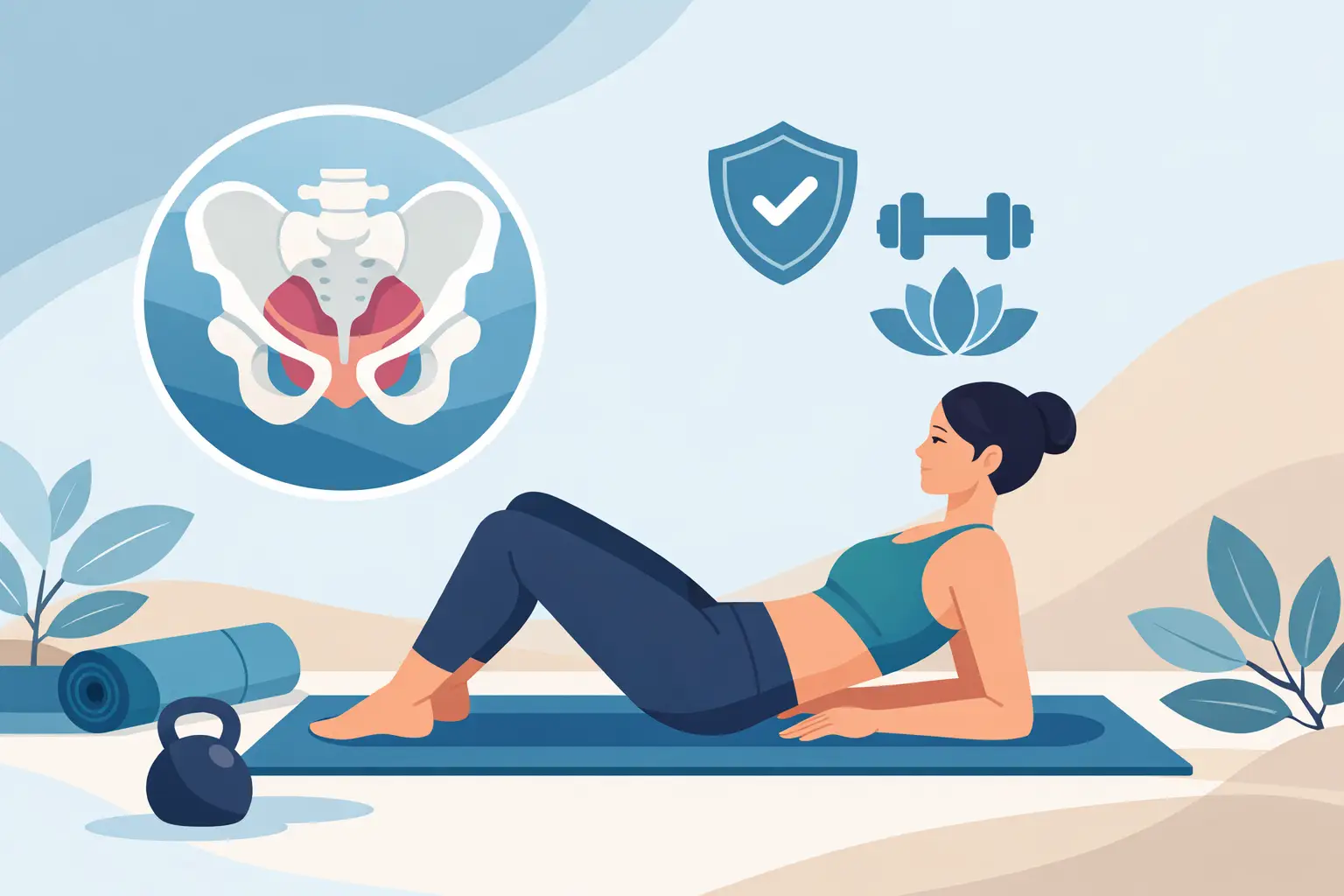
How to Improve Pelvic Floor Strength Safely
A cough, a run to catch the bus, or a heavy lift should not have to come with worry about leaking urine, pelvic pressure, or pain. Learning how to improve pelvic floor strength can help with bladder and bowel control, sexual function, core support, and confidence in everyday movement. But stronger is not always the whole answer. A pelvic floor that cannot relax and coordinate properly may cause symptoms too, which is why technique matters.
What the pelvic floor does
Your pelvic floor is a group of muscles and connective tissues at the base of the pelvis. It supports the bladder and bowel and, for many people, the uterus. These muscles work with your diaphragm, deep abdominal muscles, back muscles, and hips to manage pressure when you breathe, move, cough, exercise, or lift.
When the pelvic floor is underactive, symptoms can include urine leakage, passing gas unintentionally, a sense of heaviness in the pelvis, or difficulty maintaining control during impact exercise. Weakness may occur with pregnancy and delivery, menopause, prostate surgery, chronic constipation, prolonged coughing, inactivity, or repeated high-impact loading.
However, pelvic floor symptoms do not automatically mean the muscles are weak. Some people have a pelvic floor that stays tense or overactive. This can contribute to pelvic pain, pain with intercourse, constipation, difficulty starting urination, or a feeling that the muscles will not release. In that situation, doing more squeezing exercises without guidance can make symptoms worse.
How to improve pelvic floor strength with good technique
The first goal is awareness. Many people accidentally tighten their buttocks, thighs, or stomach while holding their breath. A useful pelvic floor contraction feels more internal and gentle: think of closing and lifting around the anus and urethra, as though you are preventing gas and stopping urine at the same time. Do not practise by repeatedly stopping urine midstream. That can interfere with normal bladder emptying and is not a reliable training method.
Try this starting position: lie on your back with knees bent, sit supported in a chair, or stand if that feels comfortable. Let your jaw, shoulders, abdomen, and buttocks soften. Inhale and allow your ribcage and belly to expand. As you exhale, gently lift the pelvic floor. Keep breathing normally, then fully relax the muscles before the next repetition.
A common starting dose is to hold a comfortable contraction for three to five seconds, followed by an equal or longer rest. Aim for six to eight repetitions, once or twice daily. If you can perform this without straining or holding your breath, gradually work toward holds of up to 10 seconds. Quality is more valuable than forcing a longer hold.
Quick contractions also matter because the pelvic floor needs to respond to a cough, sneeze, jump, or sudden change of direction. After your controlled holds, try a few quick lift-and-release contractions. Stop if you feel pain, pelvic pressure, cramping, or symptoms that persist after exercise.
Use the breath to reduce pressure
Breath holding can push pressure downward into the pelvic floor. During a squat, a lift, or getting up from a chair, exhale with effort and gently engage the pelvic floor rather than bracing as hard as possible. Some people find the cue helpful: exhale, then lift.
This does not mean tightening your pelvic floor all day. The muscles need to move through both contraction and relaxation. Constant gripping can create fatigue and tension, just as clenching your shoulders all day would.
Train it during real-life movements
Once you can find the muscles in a quiet position, bring that control into daily activity. Practise a light contraction before a cough or sneeze, then release afterward. Use a gentle exhale and pelvic floor lift as you rise from a chair, lift a grocery bag, or begin a squat.
Strength gains often take several weeks of consistent practice. Improvements in bladder control may take a few months, particularly when symptoms have been present for a long time. Progress is rarely perfectly linear. A busy week, a cold with frequent coughing, poor sleep, or a harder workout can temporarily increase symptoms.
Build support around the pelvic floor
Pelvic floor rehabilitation works best when it is part of the larger movement picture. Your hips, trunk, breathing pattern, bowel habits, and training load all affect the pressure your pelvic floor manages.
Regular walking, strength training suited to your current ability, and gradual return to impact exercise can all support overall function. Exercises such as bridges, squats, dead bugs, and side-lying hip work may be useful when they are performed with good breathing and without worsening symptoms. The right choice depends on your body and goals. Someone returning to running after childbirth needs a different progression than someone recovering from prostate surgery or managing pelvic pain.
Constipation deserves attention as well. Repeated straining places extra pressure on the pelvic floor. Drinking enough fluids, eating fibre appropriate for your needs, allowing time for bowel movements, and using a footstool to support a more comfortable position can help. If constipation is persistent, discuss it with a healthcare provider rather than simply pushing harder.
When Kegels are not enough
Kegels are simply pelvic floor contractions. They can be helpful, but they are not a universal solution. The correct exercise plan depends on whether your muscles need strengthening, relaxation, coordination, endurance, or a combination of these.
A pelvic floor physiotherapy assessment can identify whether you are contracting the right muscles and whether tension, posture, scar tissue, hip weakness, back pain, or breathing habits are contributing to symptoms. Treatment may include individualized exercises, manual therapy where appropriate, education about bladder and bowel habits, and a practical plan to return to work, sport, or daily activities.
At Royal Oak Physio, Chiro, and Massage Clinic, pelvic floor physiotherapists can help Calgary-area patients work toward measurable goals with a plan that fits their comfort level and lifestyle. Pelvic floor care is not limited to pregnancy or postpartum recovery. It can support adults of all genders, including people with urinary concerns, pelvic pain, prolapse symptoms, or recovery needs after prostate procedures.
Signs you should seek professional assessment
Book an assessment rather than trying to manage symptoms alone if you have any of the following:
- Pain in the pelvis, genitals, tailbone, hips, or low back that seems connected to tension or activity.
- A sensation of vaginal or rectal bulging, heaviness, or pressure.
- Persistent urinary urgency, frequent leakage, difficulty emptying your bladder, or recurring urinary infections.
- Bowel leakage, ongoing constipation, or significant straining.
- Symptoms that began after pregnancy, delivery, pelvic surgery, prostate treatment, an injury, or a major change in exercise.
Seek urgent medical care for sudden inability to urinate, new loss of bowel or bladder control with severe back pain, numbness in the groin or saddle area, fever, or blood in the urine or stool.
A realistic approach to progress
Avoid judging your pelvic floor by how hard you can squeeze. Better function may look like getting through a workout without leaking, lifting your child with less pressure, sleeping without repeated urgency, or feeling more comfortable during intimacy. These are meaningful outcomes, even if your exercise routine is short.
Start gently, practise consistently, and give your body time to adapt. If you are unsure whether you should strengthen, relax, or do both, a personalized pelvic floor assessment can replace guesswork with a clear next step toward moving better and feeling more in control.